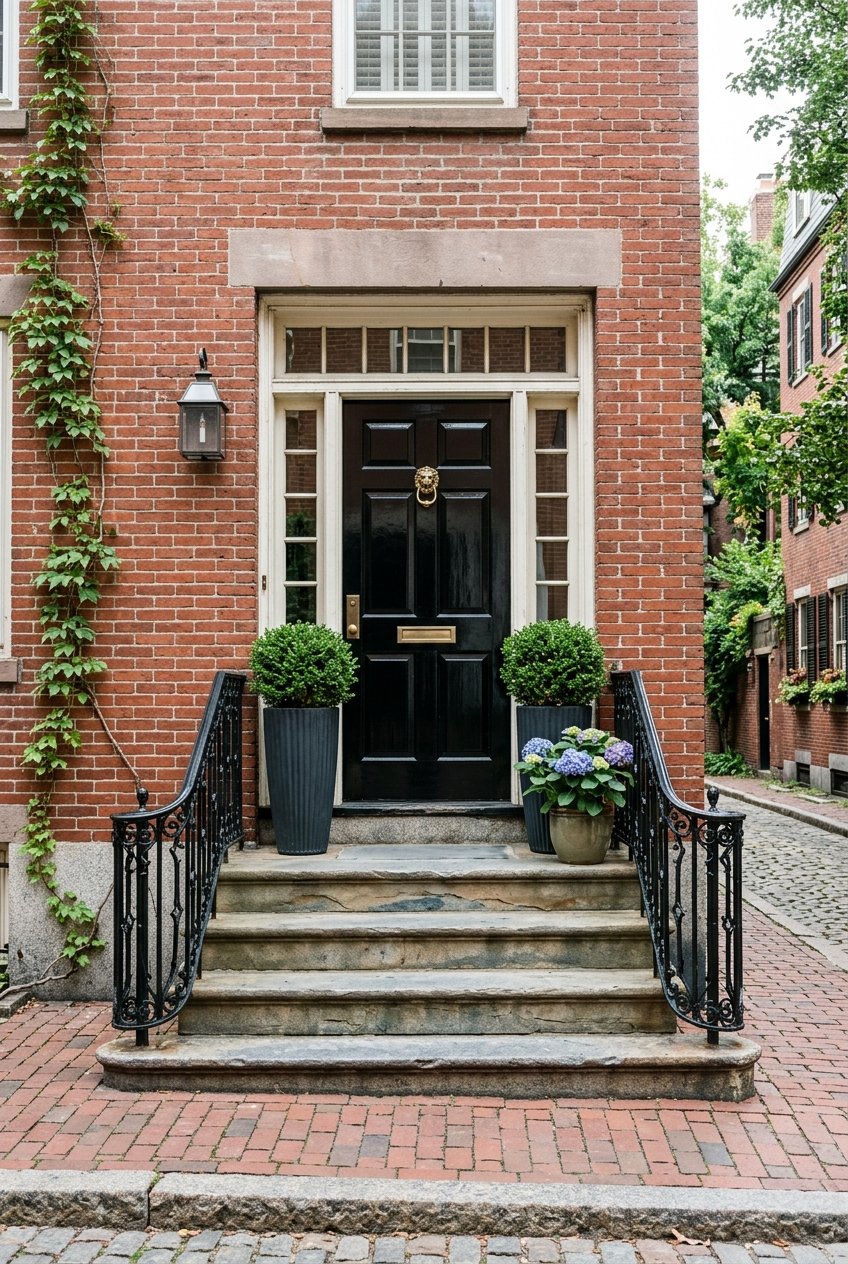
Curious what day-to-day life in Beacon Hill actually feels like, beyond the postcard streets and famous gas lamps? If you are thinking about buying, renting, or simply narrowing down Boston neighborhoods, it helps to understand how Beacon Hill functions when you live there, not just when you visit. From the rhythm of walking everywhere to the reality of older, smaller homes, this neighborhood offers a very specific kind of city lifestyle. Let’s dive in.
Beacon Hill at a glance
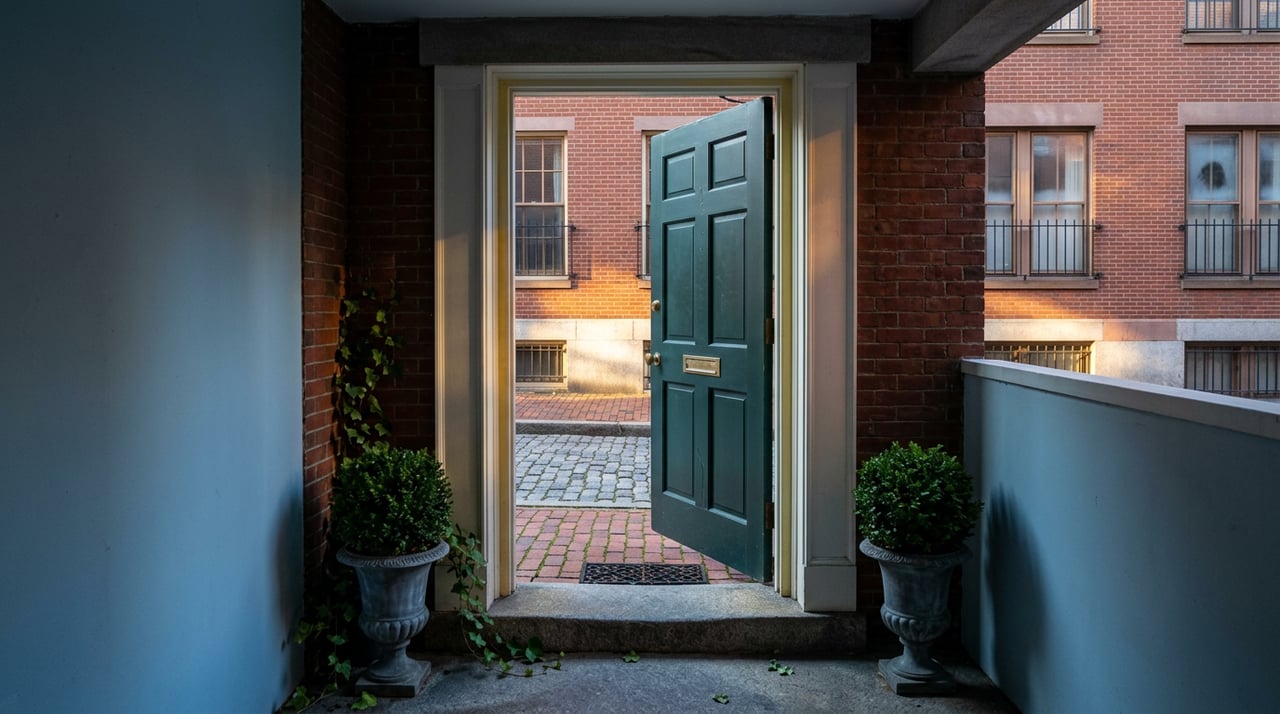
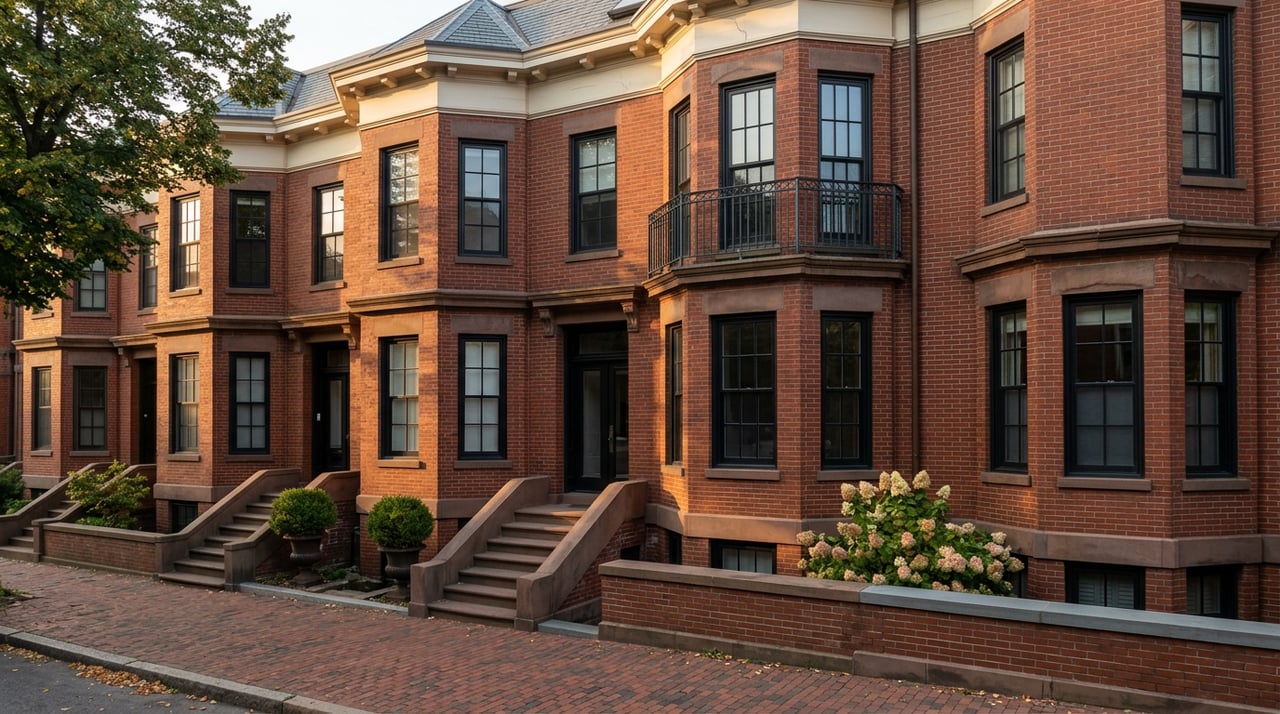
Beacon Hill is one of Boston’s most recognizable neighborhoods, sitting just west of Downtown Boston and centered around the Massachusetts State House. City materials describe it as a compact historic area with early 19th-century red brick homes, narrow streets, brick sidewalks, and gas lamps.
That preserved look is not accidental. Beacon Hill is a protected historic district, which helps create the neighborhood’s consistent visual character from one block to the next. If you are drawn to architecture, texture, and a strong sense of place, that is a big part of the appeal.
The setting feels distinctly Boston
Living on Beacon Hill means living in a neighborhood that feels deeply tied to Boston’s history. The area is home to the Boston African American National Historic Site and is connected to the Black Heritage Trail and the broader history of Boston’s free Black community.
That history shapes the neighborhood in a meaningful way. It is not just visually historic. It is a place where the built environment and the city’s cultural story are closely connected.
Daily life is built around walking
If you picture yourself doing most errands on foot, Beacon Hill fits that lifestyle well. Charles Street serves as the neighborhood’s main commercial corridor, with boutiques, antique stores, restaurants, and steady foot traffic from both residents and visitors.
This is also a neighborhood closely linked to nearby public spaces. Boston Common, the Public Garden, the Esplanade, and the Hatch Shell are all adjacent or very close, so outdoor time can feel like part of your normal routine rather than a separate plan.
Boston’s 2025 neighborhood data adds another useful clue about daily life here: 55.8% of Beacon Hill households have no vehicle available. That reinforces what many people notice quickly when they spend time here. Beacon Hill is not just walkable on paper. It is a neighborhood where many households truly live without relying on a car every day.
Walking here has character
There is one important nuance to Beacon Hill’s walkability. The National Park Service notes that historic Beacon Hill includes hills, narrow sidewalks, cobblestones, and uneven surfaces.
So while the neighborhood is highly walk-oriented, it is not flat or effortless in the way some newer urban areas are. Walking here feels charming and distinctly old Boston, but it also rewards comfortable shoes and a willingness to move a little more carefully.
Transit is close by
Nearby subway access also supports the neighborhood’s car-light lifestyle. The National Park Service identifies Park Street, Charles/MGH, and Bowdoin as nearby stops for the Boston African American National Historic Site, which helps illustrate how connected Beacon Hill is to the broader city.
For many residents, that mix of walking and transit is part of what makes the neighborhood so convenient. You can stay close to home for a lot of your daily routine while still having easy access to other parts of Boston.
Homes tend to be smaller and older
Beacon Hill is usually a better fit for people who value location and atmosphere over square footage. The 2025 neighborhood profile reports 6,068 housing units, and the housing stock skews toward smaller homes, with a majority in the 0 to 1 bedroom range and another large share of 2-bedroom homes.
That housing mix helps explain the neighborhood’s feel. Rather than large single-family homes, Beacon Hill is better known for historic rowhouses, condominium conversions, and smaller apartments.
Boston’s historic district materials add more context. Development began with the Massachusetts State House, and apartment buildings were added later in the 19th century, creating a housing landscape that feels layered, dense, and older rather than uniform.
Ownership and renting both play a role
Beacon Hill includes a real mix of owners and renters. Among occupied housing units, 46.2% are owner-occupied and 48.8% are renter-occupied, according to the 2025 profile.
That balance contributes to the neighborhood’s flexible appeal. Whether you are looking to buy a condo, lease an apartment, or eventually sell a well-located city property, Beacon Hill has a long-established mixed-tenure housing pattern.
Who tends to live here
The neighborhood is compact but populated. The 2025 Beacon Hill profile reports 9,327 residents and 5,504 households.
The resident profile also suggests an adult-oriented, urban lifestyle. 86.9% of residents age 25 and older hold a bachelor’s degree or higher, while household composition leans toward one-person households and non-family households with two or more people. Only 7.8% of households include children under 18.
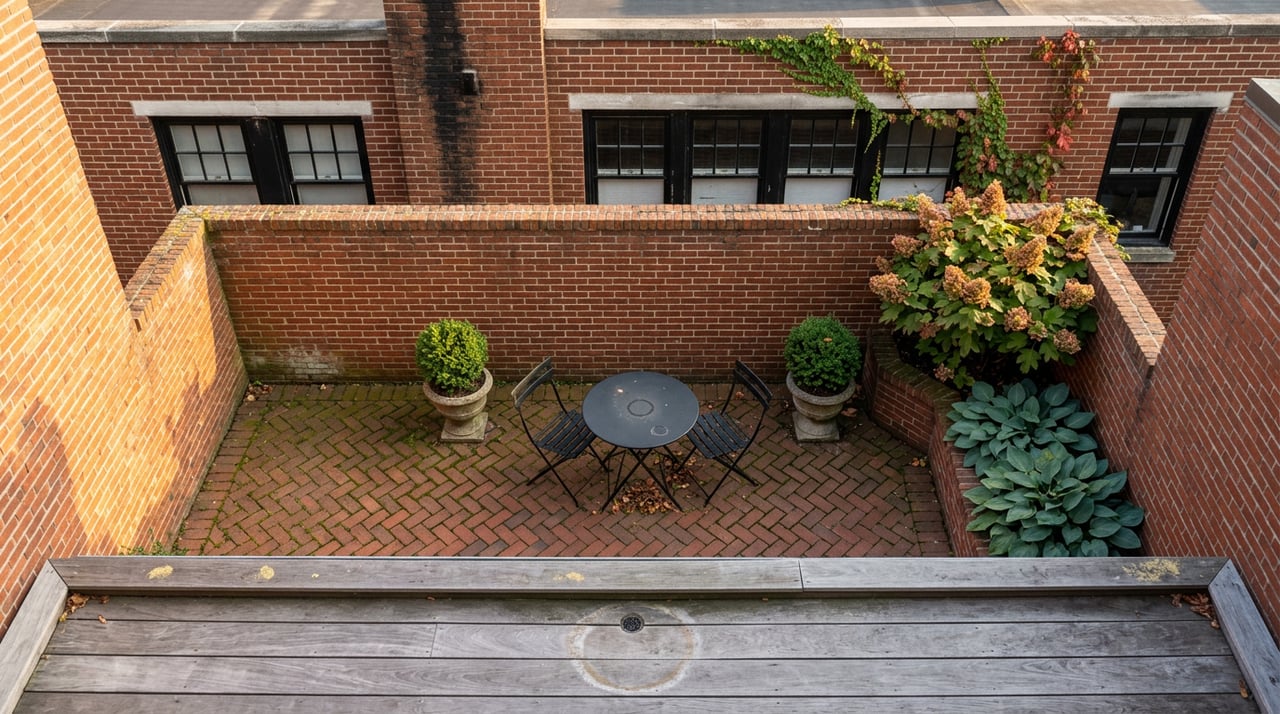
Those figures do not define any one resident’s experience, but they do help paint a picture. Beacon Hill often appeals to people who want a central location, smaller-scale housing, and a daily routine centered on city access rather than private outdoor space or larger home footprints.
Charles Street shapes the neighborhood rhythm
In many ways, Charles Street is where Beacon Hill’s day-to-day energy comes into focus. Boston planning materials describe it as the area’s primary retail street, lined with boutiques, antique stores, restaurants, and frequent tourists.
That means the neighborhood can feel lively and active, especially in the areas closest to the shops. If you like being able to step out for coffee, dinner, or a quick errand without much planning, that convenience is a real lifestyle advantage.
At the same time, it is helpful to know that Beacon Hill is not isolated or sleepy in the way some residential areas are. Its popularity, central location, and visitor traffic are part of the experience.
The Esplanade is a major perk
For many people, the Charles River Esplanade is one of Beacon Hill’s most valuable nearby amenities. The Esplanade Association describes it as a 64-acre park with a three-mile riverfront path and multiple access points.
That kind of access changes how a neighborhood feels. A morning run, an evening walk, or time outside by the river can be folded into your week without much effort, which adds a layer of balance to an otherwise dense urban setting.
The seasons really change the mood
Beacon Hill can feel very different depending on the time of year. At Boston Logan, average January temperatures are 37.9°F high and 24.3°F low, while July averages 83.2°F high and 67.1°F low. Annual precipitation averages 44.52 inches, and annual snowfall averages 48.2 inches.
In practical terms, winter tends to make the neighborhood feel more intimate and atmospheric. The brick sidewalks, narrow streets, and historic lighting can feel especially striking during colder months, even as daily routines become a bit more purposeful.
Warmer seasons open things up. Spring, summer, and fall tend to bring more activity into nearby parks and the riverfront, making outdoor time a bigger part of life on Beacon Hill.
What Beacon Hill is best for
Beacon Hill tends to work best for people who want a central, walk-first Boston lifestyle. It is especially appealing if you value:
- Historic architecture and preserved streetscapes
- Smaller homes with character
- Easy access to shops and restaurants
- Nearby parks and riverfront space
- A car-light or car-free daily routine
It may be less ideal if your top priorities are larger interior square footage, easier driving, or newer housing stock. The neighborhood’s age, density, and terrain are part of its charm, but they are also real features of day-to-day living.
Why lifestyle fit matters here
Beacon Hill is not a one-size-fits-all neighborhood, and that is exactly why it remains so distinctive. If you love history, design, and a walkable city routine, it can feel hard to replicate elsewhere in Boston.
If you are exploring Beacon Hill as a buyer, seller, or renter, it helps to look beyond the visuals and think about how you want your days to work. The right fit often comes down to the details: home size, block location, building style, and how you want to move through the city.
If you are thinking about Beacon Hill and want thoughtful guidance on the neighborhood, property style, or how to position a home for today’s market, Victoria Pacella offers a high-touch, design-aware approach to buying, selling, and leasing across Boston.
FAQs
What is daily life like in Beacon Hill, Boston?
- Daily life in Beacon Hill is centered on walking, local errands along Charles Street, nearby transit access, and close proximity to Boston Common, the Public Garden, and the Esplanade.
What types of homes are common in Beacon Hill?
- Beacon Hill housing is typically older and compact, with many 0 to 1 bedroom and 2-bedroom homes, including historic rowhouses, condominium conversions, and smaller apartments.
Is Beacon Hill a car-dependent neighborhood?
- No. Boston’s 2025 neighborhood data show that 55.8% of Beacon Hill households had no vehicle available, which reflects the neighborhood’s strong walk-and-transit lifestyle.
What is Charles Street like in Beacon Hill?
- Charles Street is Beacon Hill’s main commercial corridor, known for boutiques, antique stores, restaurants, and regular foot traffic from both residents and visitors.
How does weather affect living in Beacon Hill?
- Boston’s seasons shape how people use Beacon Hill, with winter bringing shorter, more purposeful walks and warmer months encouraging more time in nearby parks and along the Esplanade.