If you are shopping for a home in Newton, one question tends to shape everything else: which village actually fits your day-to-day life? Newton is not built around one central downtown. Instead, it is a city of 13 distinct villages, and that local structure can make your home search feel both exciting and a little overwhelming.
The good news is that you do not need a universal “best” village to make a smart decision. You need the right match for your commute, your housing goals, your shopping habits, and the kind of outdoor access you want nearby. This guide will help you understand how Newton’s villages differ, what patterns matter most for buyers, and how to compare your options with more confidence. Let’s dive in.
How Newton’s villages work
Newton sits about seven miles west of downtown Boston and has a village-based layout shaped by railroads, rivers, mills, and historic community centers. That history still shows up in the way the city feels today. Some villages are more transit-oriented, some are more retail-focused, and some feel more residential block by block.
For homebuyers, that means you should think of Newton as a collection of smaller places inside one city. The village name gives you a starting point, but it does not tell the whole story. Your experience can change meaningfully depending on the exact street, access to transit, and proximity to parks or shopping.
Why village type matters
Newton’s commercial geography is organized by village centers, neighborhood centers, convenience centers, a gateway center, and retail or service clusters. In simple terms, that helps explain why one part of Newton may feel more active and storefront-heavy while another feels more errand-focused or primarily residential.
Village centers generally offer the strongest mix of shopping, dining, and entertainment. Neighborhood centers tend to have fewer storefronts and lighter daily convenience. Convenience centers are more focused on practical errands, while Newton Corner functions as the city’s gateway center and areas like Route 9 Chestnut Hill and Needham Street serve as larger retail and service corridors.
What homebuyers should expect from housing stock
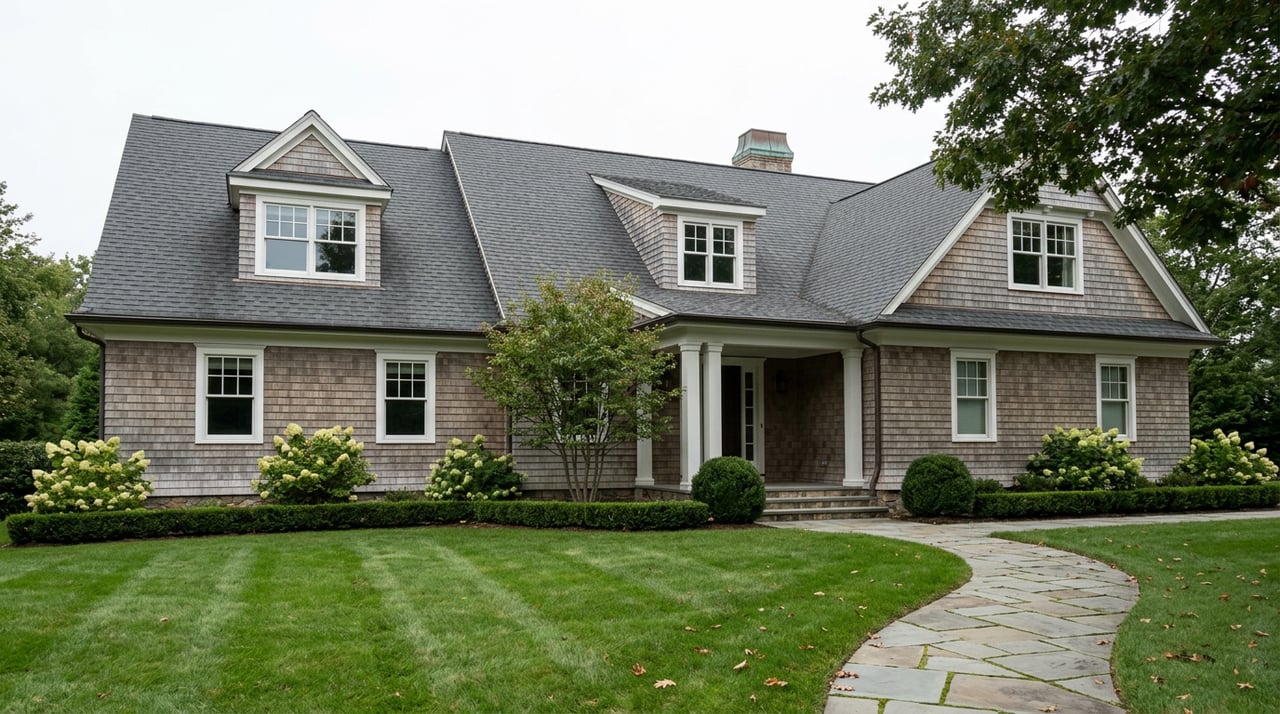
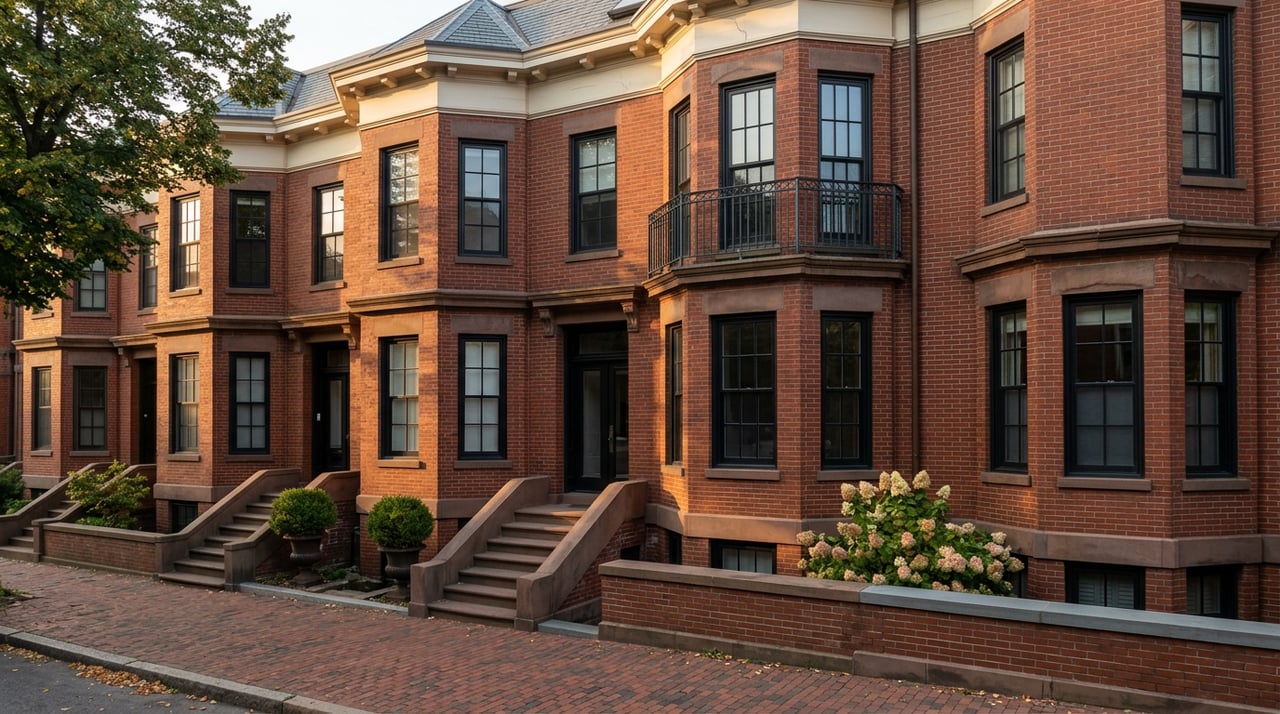
One of the biggest mistakes buyers make is assuming Newton has one dominant housing style. City housing data shows a much more mixed housing stock, including single-family homes, two-family homes, condominiums, apartments, three-family properties, and a smaller number of accessory apartments.
That variety matters because housing type can differ not only from village to village, but also within the same village. You may find denser streets in one section, larger lots in another, and a different mix of condos, multifamily homes, and detached houses just a few turns away. If you are relocating, it helps to keep an open mind while narrowing your priorities.
Best villages for transit access
If direct transit is high on your list, start by looking at the villages with the clearest rail service. Newton’s Green Line D stops include Riverside, Woodland, Waban, Eliot, Newton Highlands, Newton Centre, and Chestnut Hill. Commuter rail service is available in Auburndale, West Newton, and Newtonville.
Bus routes also fill in many gaps across the city, and Newton Highlands connects to the Needham Shuttle. For buyers who expect to use transit often, rail access can be one of the fastest ways to narrow the search. Even so, you will still want to check the exact distance from a specific home to the stop you plan to use most.
Newton Centre
Newton Centre is one of Newton’s village centers and offers a mix of shopping, dining, and entertainment. It also has Green Line D service at Newton Centre, which makes it a practical option for buyers who want a more active village core with direct rail access.
The village grew from a historic religious center into a railroad suburb, and today that layered history still shapes its identity. Nearby green space includes Eliot Memorial Park, which adds another point of everyday convenience for buyers comparing lifestyle factors.
Newtonville
Newtonville developed around a small commercial center and later a rail station, with retail growth along Walnut Street. It is a commuter rail stop, which can make it appealing if you want transit access paired with a village setting rather than a larger retail corridor.
Nearby parks include Albemarle Playground and Bullough’s Pond Park. For buyers, Newtonville often stands out as a place to consider if you want a village center feel with rail connectivity and local commercial activity.
West Newton
West Newton is another village center with commuter rail access. Its history reflects both transportation importance and civic life, and the city describes its typical suburban dwellings as wooden homes on generous lots with influences including Greek Revival, Italianate, Second Empire, and Queen Anne styles.
Parks nearby include Captain Ryan Park, Burr Park, and Davis Playground. If you are drawn to older housing patterns and want rail access in a village-center setting, West Newton is worth a closer look.
Auburndale
Auburndale is a neighborhood center with commuter rail service and a strong connection to the Charles River. Its development was shaped by railroad access, and the village also built a recreation identity along the river.
Auburndale Playground, also known as The Cove, offers fields, courts, trails, picnic areas, and riverfront recreation features. For buyers who want rail access and meaningful outdoor amenities nearby, Auburndale can be a compelling option.
Newton Highlands
Newton Highlands is a neighborhood center with Green Line D access, MBTA Route 59 service, and the Needham Shuttle. It grew rapidly after rail improvements in the 1870s and developed as a commuter village.
Outdoor access is a notable part of the picture here, with Crystal Lake Park and Cold Spring Park nearby. If your home search includes both transit and recreation, Newton Highlands may check several important boxes.
Waban and Chestnut Hill
Waban is a convenience center with Green Line D service, while Chestnut Hill sits within Newton’s Route 9 retail and service cluster and also has Green Line D access at Chestnut Hill. These two areas can appeal to buyers for very different reasons.
Waban developed around the railroad after years as farmland, while Chestnut Hill is known in city history for large lots, private estates, and architect-designed homes. If you are comparing them, focus on the exact home style, nearby commercial access, and what kind of day-to-day setting feels right for you.
Villages for shopping and daily convenience
If your priority is being near shops, dining, or regular errands, Newton’s commercial framework becomes especially useful. Village centers generally offer the most complete day-to-day mix, while neighborhood and convenience centers serve a lighter local role.
Newton Centre and Nonantum fit the village-center model, while Newtonville and West Newton also provide active local commercial areas. Newton Corner serves as a gateway center with a larger commercial and office presence near major transportation infrastructure, and Chestnut Hill and Needham Street function as larger retail and service corridors.
Newton Corner
Newton Corner was the city’s first village and is now classified as the gateway center. It has a large commercial and office presence near major transportation infrastructure, plus bus service on several routes including 501, 504, 553, 554, 556, and 558.
Nearby parks include Charlesbank Park and Burr Park. For buyers who want strong road and bus connectivity with a more commercial setting, Newton Corner offers a different kind of convenience than a traditional village center.
Nonantum
Nonantum developed from farms into a mill village and is now described by the city as Newton’s most densely populated village. It is a village center with local shopping and dining, which can be attractive if you want everyday convenience in a more compact setting.
Park access includes Boyd Park and Coletti-Magni Park. Buyers comparing Newton villages may find Nonantum especially useful to explore when they want a denser street pattern and a well-defined local center.
Villages with distinct housing character
Some Newton villages stand out less for transit or retail and more for their housing patterns and historical development. These areas can still be a strong fit, but they usually require a closer look at the specific block and property type.
This is where working with a local guide can be especially helpful. A village label may suggest one overall identity, but the actual housing feel can shift quickly from one section to another.
Chestnut Hill
Chestnut Hill has one of the clearest estate-lot patterns in Newton’s official history. The city describes large building lots, private estates, architect-designed homes, and a retained rural neighborhood character.
For buyers, that points to a very different built environment than denser village-center streets elsewhere in Newton. It is also part of the Route 9 retail and service cluster, which creates an interesting mix of residential character and broader commercial access.
Oak Hill
Oak Hill is notable for Oak Hill Park, a postwar residential neighborhood built as a veterans housing development with 412 houses, a shopping center, and a school. In the city’s geography framework, Oak Hill is a convenience center rather than a full village center.
That history gives buyers a useful clue about the area’s development pattern. If you are looking for a more residential setting with a practical convenience-center structure, Oak Hill may belong on your shortlist.
Newton Upper Falls
Newton Upper Falls is one of Newton’s founding villages and an early industrial center shaped first by water power and later by the railroad. The city notes that many structures still resemble their early 19th-century appearance.
It is classified as a neighborhood center, and nearby recreation includes Bobby Braceland Playground and the Upper Falls Riverwalk trail parcel. Buyers who appreciate historic character may want to compare this village closely with more rail-centered or retail-centered parts of Newton.
Parks and outdoor space across Newton
Newton has more than 300 acres of conservation areas, and 16 of those parcels have public trails. The city also offers parks programming across the community, including activities such as swimming lessons, golf clinics, outdoor skating, pickleball, and community events.
That said, park access is not evenly distributed in exactly the same way from one village to the next. Some areas have more natural open space, while others may have a different mix of park facilities. For buyers, that means you should review the specific street and nearby amenities instead of assuming the whole village offers the same outdoor experience.
Examples of village-level park access
Auburndale includes The Cove on the Charles River with fields, courts, trails, picnic sites, and skating access. Newton Highlands includes Crystal Lake Park, with a lake, seasonal swim area, docks, beach, and picnic lawn.
Other villages have their own local options, including Charlesbank Park, Boyd Park, Angier School Playground, Cold Spring Park, and Eliot Memorial Park. If outdoor access is part of your daily routine, these details can make a real difference in how a location feels after move-in day.
How to compare Newton villages as a buyer
The smartest way to compare Newton villages is to start with your real daily priorities, not a generic ranking. Most buyers are balancing some version of commute time, housing type, commercial convenience, and outdoor access.
A simple framework can help:
- Prioritize transit if you expect to rely on the Green Line, commuter rail, or bus routes regularly.
- Prioritize village-center access if you want more storefronts, dining, and daily walkable convenience.
- Prioritize housing pattern if you care most about lot size, street density, or architectural character.
- Prioritize parks and recreation if trails, playgrounds, fields, or water access will shape your routine.
- Prioritize the exact street because village character can shift meaningfully within short distances.
A practical approach to your search
When you tour homes in Newton, try to evaluate each property through both a house lens and a location lens. The house itself may check many boxes, but the right fit often comes down to how the surrounding village supports your daily routine.
This is also where design-minded guidance can add value. If you are comparing homes with different layouts, finishes, or update potential, it helps to see not only what a property is today, but how it could live for you over time.
Newton offers real variety, and that is part of what makes the market so compelling. If you want help narrowing the villages that best match your commute, lifestyle, and home goals, Victoria Pacella can help you compare options with a thoughtful, local, high-touch approach.
FAQs
What makes Newton different from other Boston-area home searches?
- Newton is organized around 13 villages rather than one central downtown, so buyers need to compare village character, transit access, shopping patterns, and housing mix more closely.
Which Newton villages have rail access for homebuyers?
- Green Line D access is available at Riverside, Woodland, Waban, Eliot, Newton Highlands, Newton Centre, and Chestnut Hill, while commuter rail service is available in Auburndale, West Newton, and Newtonville.
Which Newton villages have the most shopping and dining?
- Newton’s village centers generally offer the strongest mix of shopping, dining, and entertainment, while Newton Corner functions as a gateway center and Chestnut Hill and Needham Street serve as larger retail and service corridors.
What types of homes can buyers expect in Newton?
- Newton has a mixed housing stock that includes single-family homes, two-family homes, condominiums, apartments, three-family properties, and accessory apartments, so housing options vary within and across villages.
How should buyers compare parks and outdoor space in Newton?
- Buyers should review the exact location of a home because park and open-space access varies by area, with examples including The Cove in Auburndale, Crystal Lake Park in Newton Highlands, and conservation areas with public trails across the city.