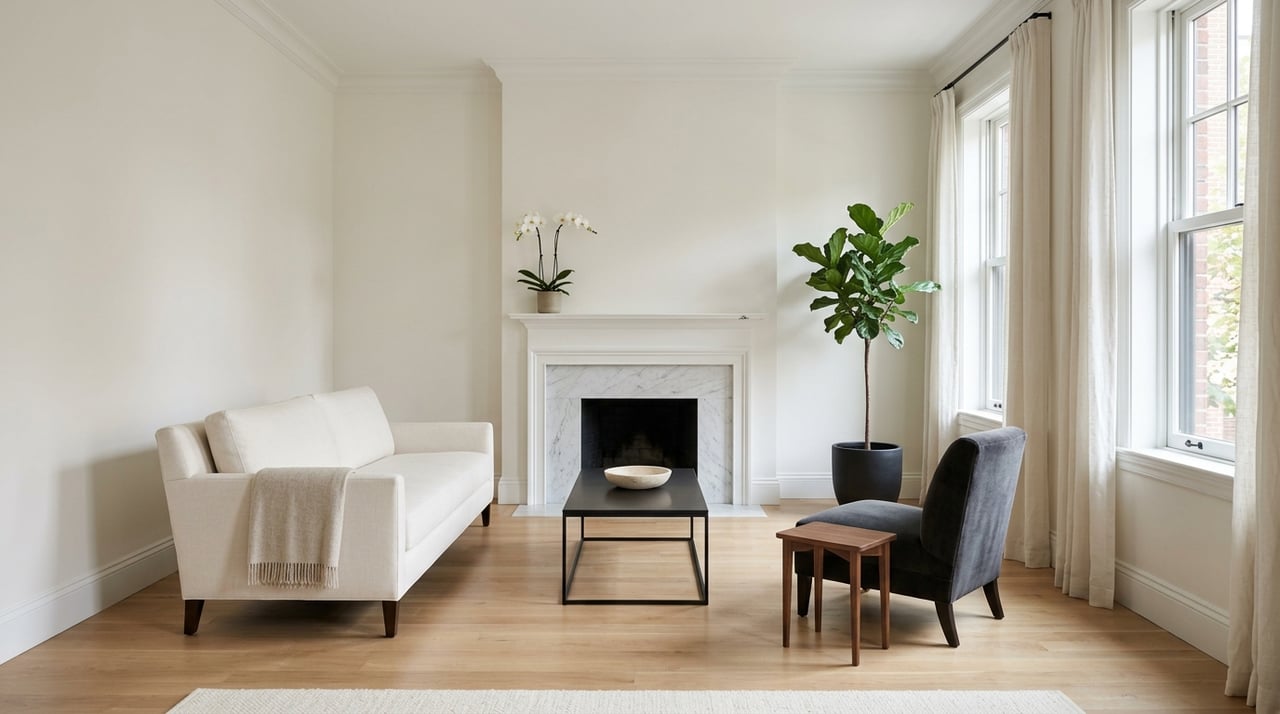
Wondering how to make your Back Bay condo stand out in a market where buyers notice every detail? If you are preparing to sell, presentation matters even more here because buyers are weighing layout, light, finishes, and historic character all at once. With the right staging and listing plan, you can help your home feel polished, spacious, and true to its architecture before it hits the market. Let’s dive in.
Understand the Back Bay context
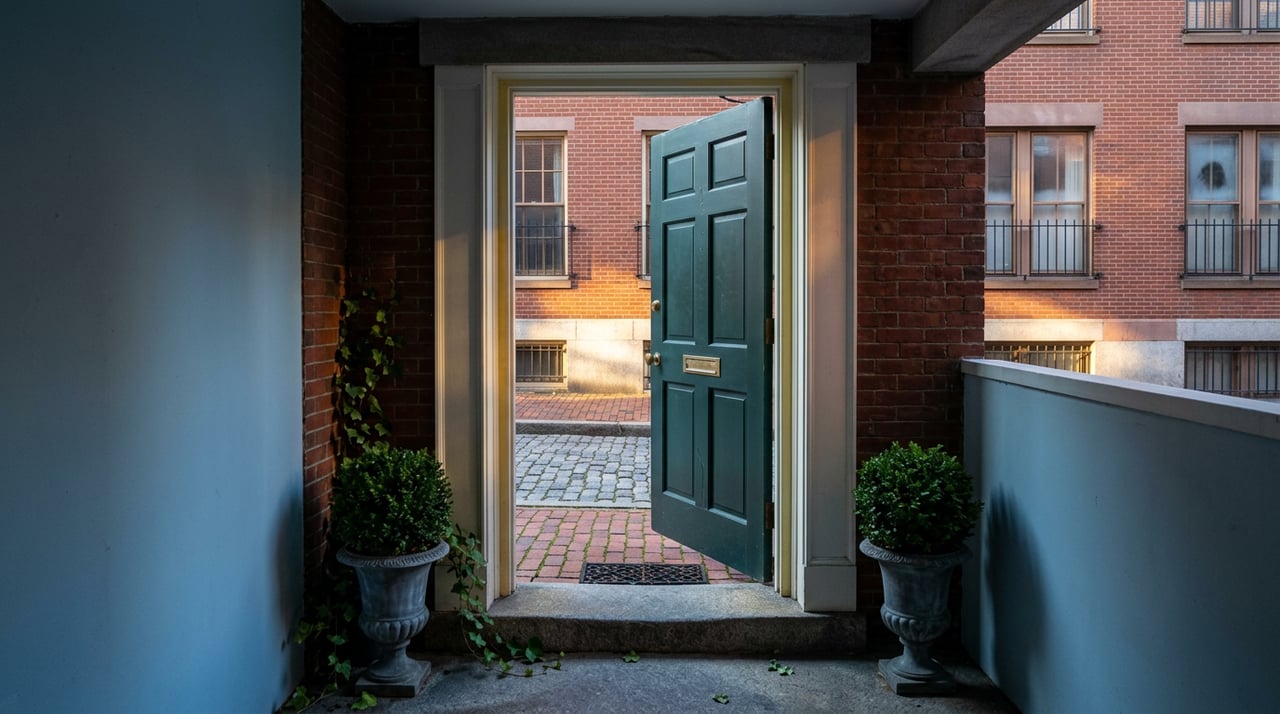
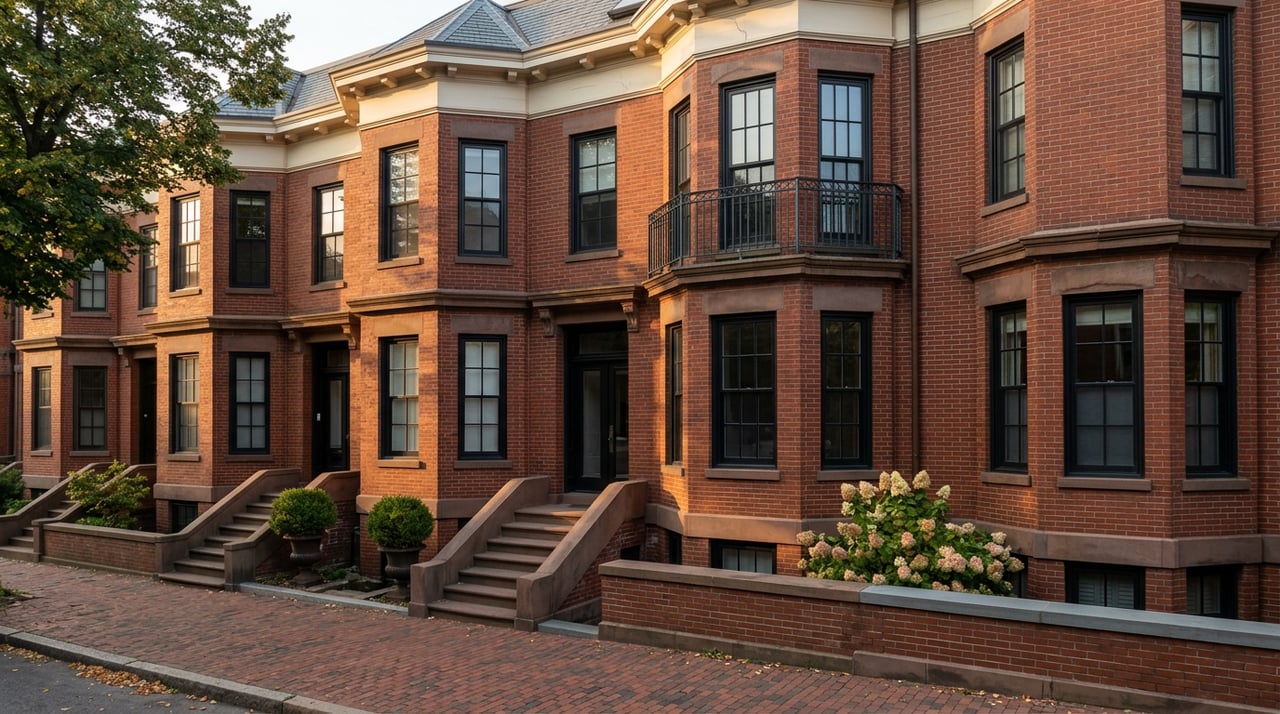
Back Bay is not a typical condo market. It is a protected historic district, and the neighborhood’s identity is shaped by consistent building scale, classic façades, cornice lines, and signature bays and oriel windows.
That historic setting should influence how you prepare your condo for sale. The goal is not to erase character or chase trends. Instead, you want to present the home in a way that highlights original details, improves flow, and helps buyers imagine daily life in the space.
The market also rewards strong presentation. Redfin currently shows 132 condos for sale in Back Bay, with a median listing price of $1.48M and a median of 44 days on market, which means your listing needs to photograph well and feel memorable from day one.
Start with a staging strategy
Staging is not just about making a condo look nice. It is about helping buyers understand the home quickly, emotionally, and visually.
According to the National Association of Realtors 2025 Profile of Home Staging, 83% of buyers’ agents said staging made it easier for buyers to picture the property as their future home. The same report found that 49% of sellers’ agents observed reduced time on market, and 29% said staging increased the dollar value offered by 1% to 10%.
In Back Bay, that matters because many condos compete on subtle differences. A similar square footage, a similar price point, and a similar address can feel very different depending on how the space is edited and presented.
Focus on the rooms buyers notice first
If you are prioritizing your effort or budget, start with the spaces that shape the strongest first impression. NAR reports that the most commonly staged rooms are the living room, primary bedroom, dining room, and kitchen.
For a Back Bay condo, those rooms often do the heavy lifting in photos and showings. They help buyers assess scale, flow, and whether the home feels elevated enough for the asking price.
Declutter before you decorate
In many cases, the best first step is not adding more. It is removing what distracts from the space.
NAR notes that many sellers’ agents either do not stage fully or recommend decluttering and correcting faults instead. In a compact urban condo, that usually means clearing countertops, simplifying shelves, editing furniture, and making walking paths easy to follow.
When buyers walk in, they should be able to see the room, not your storage challenges. A cleaner visual field makes the condo feel larger, calmer, and more intentional.
Keep the look neutral and elevated
In Back Bay, a restrained design approach usually works best. Boston’s residential historic guidelines emphasize respecting the district’s forms, colors, materials, and proportional relationships, and they favor maintaining historic materials and features rather than replacing them.
That does not mean your interiors must look plain. It means a quiet palette, natural texture, and well-scaled furnishings will usually support the architecture better than bold colors or overly trendy styling.
Let period details lead
One of the biggest staging mistakes in a historic condo is competing with the architecture. If your home has tall windows, moldings, trim, fireplace details, or classic proportions, those features should be easy to notice.
Use lighter furnishings, fewer accessories, and enough negative space around standout details. In Back Bay, buyers are often drawn to character, so your staging should frame those elements rather than cover them up.
Prepare the condo for photography
Once your condo is staged, the next step is photography. This is where your listing begins for most buyers.
Among buyers who use the internet, NAR reports that photos are the most useful website feature for 83%. Floor plans are useful for 57%, and virtual tours for 41%, which shows how important a complete visual package has become.
Make sure the home is fully ready first
Do not schedule photos too early. NAR’s seller guidance makes a simple but important point: buyers who like what they see online expect to see that same home in person.
That means the photo shoot should happen only after the condo is cleaned, staged, and fully camera-ready. It also means you should plan to keep it in that condition through showings and open houses.
Invest in floor plans and digital media
For a Back Bay condo, layout matters almost as much as finishes. Buyers want to understand how the rooms connect, where the storage is, and whether the space lives larger than the square footage suggests.
MLS PIN says floor plans help buyers understand square footage, layout, and flow. In an urban condo, that added clarity can be especially helpful because room relationships often influence buying decisions.
Video and virtual tour assets can also strengthen the launch. Buyers still value photos most, but they also respond to floor plans, virtual tours, and detailed listing information when comparing options online.
Use virtual staging carefully
Virtual staging can be helpful in some situations, especially if a unit is vacant. But it should be used carefully and disclosed clearly.
NAR warns that digitally altered images should be identified in the photo or remarks section. If the listing looks too different from the in-person experience, buyer trust can drop quickly, and that can affect showing feedback and offers.
Time your listing for market momentum
Even a beautifully staged condo needs the right launch timing. In Greater Boston, spring remains a high-activity period for condo listings.
The March 2026 Greater Boston Association of REALTORS® update showed 1,631 new condominium listings for the month, up 19.4% year over year. The median condo sales price was $723,000, and cumulative days on market until sale were 61 across the broader market.
For Back Bay sellers, that rising spring inventory matters. If you wait too long to stage, photograph, and prepare your listing, your condo may enter the market as competition builds.
Why early preparation matters
Realtor.com identified April 12 through April 18 as the best time to sell in 2026, and spring generally remains the traditional active season from April through June. While the perfect week depends on your property and goals, the larger takeaway is clear.
Your staging, photography, and listing materials should be completed before the spring wave is fully underway. That way, you are ready to launch from a position of strength instead of rushing to catch up.
Don’t overlook pre-listing details
A smooth listing is not just about style. It is also about handling the practical items that can slow a sale if left too late.
Check lead-paint disclosure requirements
If your condo is in a building built before 1978, Massachusetts and federal lead-paint disclosure rules apply. Mass.gov states that owners and real estate agents must comply with property transfer lead-paint notification requirements for homes built before 1978.
In a Back Bay brownstone or older condo building, this is an important item to confirm early. It is much easier to gather documents before you are deep into negotiations.
Plan for smoke and carbon monoxide inspection
Boston notes that most residential property owners need a smoke and carbon monoxide detector inspection before they can sell their property. Boston Fire recommends applying as soon as the Purchase and Sale Agreement is signed and allowing at least 10 business days for scheduling.
That timeline can catch sellers off guard, especially if several closing tasks hit at once. Build it into your transaction checklist early so it does not become a last-minute stress point.
Review any exterior work first
If you are thinking about exterior touch-ups that could affect curb appeal or listing photos, pause before starting. In Back Bay, proposed exterior work may be subject to review by the Back Bay Architectural District Commission.
Boston’s guidelines make clear that exterior alterations and repairs should follow the district’s historic character. If a change affects the outside appearance, it is wise to check requirements before work begins.
What a strong Back Bay listing really does
The best Back Bay listings do more than show square footage. They tell a clear visual story about how the condo lives, what makes it special, and why it belongs in this neighborhood.
That usually means preserving architectural character, simplifying the interiors, capturing the home with professional photography only after it is ready, and launching with strong digital assets before peak spring competition builds. In a design-conscious market like Back Bay, those details are not extra. They are part of the strategy.
If you are thinking about selling and want a plan that balances design, market timing, and hands-on guidance, Victoria Pacella can help you prepare your condo for a polished, confident launch.
FAQs
How should you stage a Back Bay condo before listing?
- Focus on decluttering first, then stage the living room, primary bedroom, kitchen, and dining area with a neutral, elevated look that highlights original architectural details.
Why does staging matter when selling a Back Bay condo?
- Staging can help buyers picture themselves in the home, support stronger online presentation, and potentially reduce time on market or improve offer strength.
What listing photos matter most for a Back Bay condo?
- Professional interior photos are the most important, and floor plans, video, and virtual tour assets can also help buyers understand layout and flow.
When is the best time to list a Back Bay condo?
- Spring is typically an active season in Greater Boston, so it helps to complete staging and photography before inventory rises further.
What compliance items should Back Bay condo sellers check before listing?
- Sellers should confirm whether lead-paint disclosure rules apply for pre-1978 buildings, plan for Boston’s smoke and carbon monoxide detector inspection process, and review any exterior work against Back Bay historic district rules.