Choosing between Back Bay and Beacon Hill is not just about picking a Boston address. It is about deciding how you want your daily life to feel when you step outside your front door. If you are weighing these two iconic neighborhoods, you likely want a home that fits your routines, commute, design preferences, and long-term goals. This guide will help you compare the lifestyle tradeoffs so you can move forward with more clarity. Let’s dive in.
Back Bay vs Beacon Hill at a glance
Back Bay and Beacon Hill are both historic Boston neighborhoods with strong walkability, excellent transit access, and premium housing markets. Even so, they offer very different day-to-day experiences.
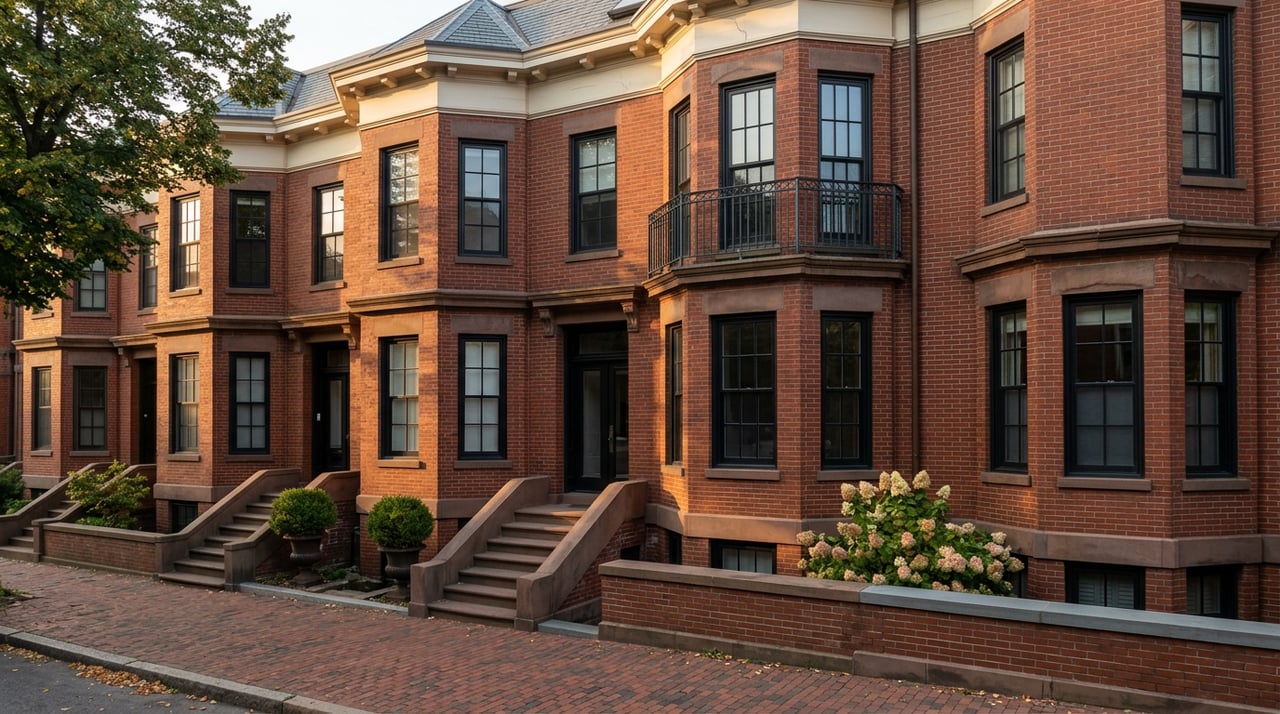
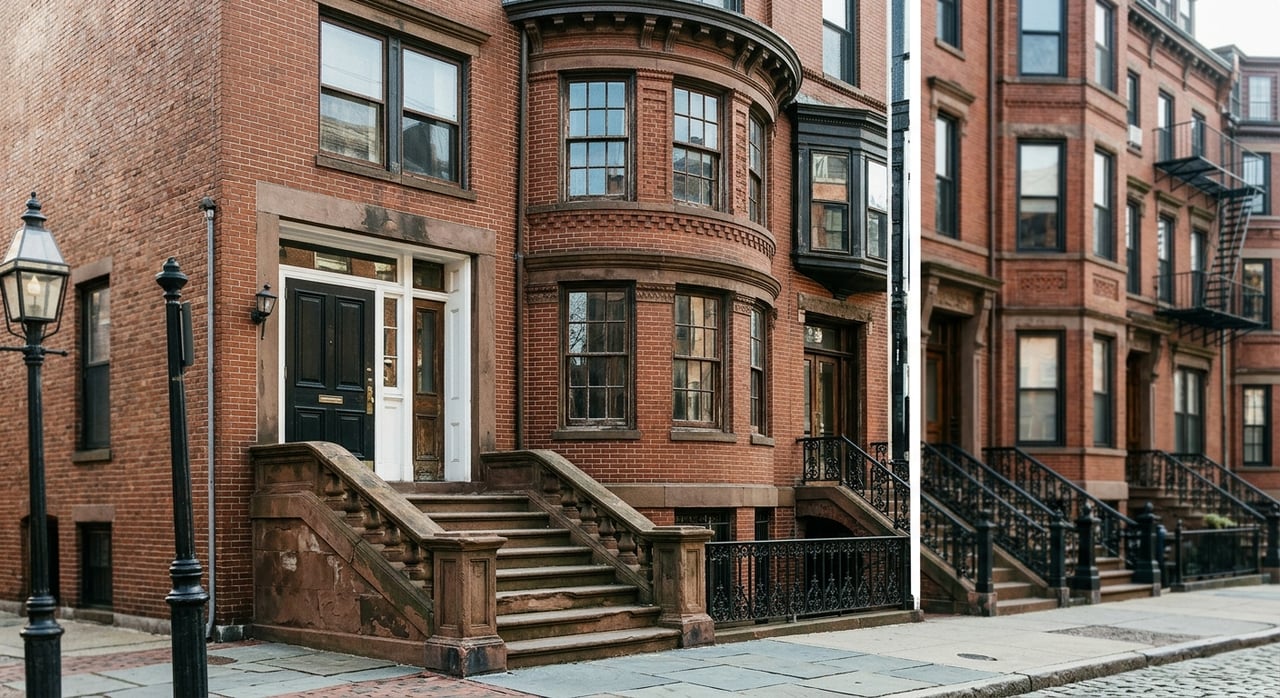
Back Bay feels larger, busier, and more mixed-use. Boston planning materials describe it as a historic neighborhood along the Charles River with wide grid streets, Victorian row houses, and major commercial corridors. Beacon Hill feels smaller and more residential, with narrow cobblestone streets, gas lamps, brick row houses, and Charles Street serving as its main commercial strip.
Choose Back Bay for a bigger-city feel
If you want your neighborhood to feel energetic and connected to a broader commercial district, Back Bay may be the better fit. It blends classic architecture with a more active urban rhythm.
Boston’s planning department notes that Back Bay includes not only Victorian row houses, but also major office, hotel, and retail uses near Prudential, John Hancock, and Hynes. That mix can appeal if you like having shopping, dining, and transit options woven directly into everyday life.
Streets feel wider and more open
Back Bay was laid out on a grid, which gives it a more spacious and legible street pattern than many older parts of Boston. Wide streets and long blocks create a more formal, open feel.
If you enjoy city living but still want visual order and architectural consistency, this layout often feels easier to navigate. It can also feel more connected to the rest of central Boston because of its adjacency to Downtown and the Public Garden.
Amenities are more extensive
Back Bay offers one of the city’s strongest commercial amenity networks. Newbury Street is known for retailers, salons, boutique offices, and restaurants, while Boylston, St. James, and Huntington add more shops, hotels, restaurants, and office buildings.
Walk Score data reinforces that convenience. Back Bay has about 380 restaurants, bars, and coffee shops, and walkers can reach an average of 39 food-and-drink spots within five minutes.
Transit is especially broad
Both neighborhoods support car-light living, but Back Bay stands out for regional connectivity. The Boston Transportation Department identifies Back Bay Station as a key hub with commuter rail, Amtrak, and Orange Line service.
The same district map also shows several Green Line stops along Boylston Street in Back Bay. If your routine includes regional travel, office commutes, or frequent trips beyond central Boston, that extra transit range can make a real difference.
Choose Beacon Hill for a quieter historic setting
If you want a neighborhood that feels more intimate and residential, Beacon Hill may be the better match. It offers a classic Boston streetscape with a smaller-scale rhythm.
Boston’s official neighborhood pages describe Beacon Hill as about one square mile, just west of Downtown, with early-19th-century brick row houses, narrow cobblestone streets, and gas lamps. For many buyers, that creates a more tucked-away feel even though the neighborhood sits close to major destinations.
Streets feel smaller and more residential
Beacon Hill is more uniformly low-rise and residential in character. The neighborhood includes Federal- and Greek Revival-style homes, later apartment buildings, and adaptive reuse properties such as former stables and carriage houses converted into lofts and studios.
If you picture townhouse living, narrower streets, and a quieter day-to-day atmosphere, Beacon Hill often aligns with that vision. Its scale can feel especially appealing if you want a home base that feels removed from heavier commercial activity.
Everyday retail feels more local
Beacon Hill’s commercial activity is centered more tightly around Charles Street. Boston.gov describes Charles Street as home to antique shops and a variety of local restaurants and businesses.
That usually translates to a more neighborhood-oriented pattern for daily errands and casual outings. You still have strong access to dining and culture, but the experience tends to feel more compact and less fast-paced than in Back Bay.
Walkability is hard to beat
Beacon Hill posts exceptionally strong walkability numbers. Walk Score gives Beacon Hill a Walk Score of 99 and a Transit Score of 100, compared with Back Bay’s 97 Walk Score and 96 Transit Score.
In practical terms, both neighborhoods make it easy to live without a car. Beacon Hill simply leans a bit more toward a pedestrian-first experience, while Back Bay adds a stronger bike and regional rail component.
How housing options differ
For buyers, one of the biggest differences comes down to housing stock and how much variety you want. Both neighborhoods are historic districts, but the mix of buildings is not the same.
Back Bay offers a broader range of building types. Along with classic row houses, you will find condos and buildings that sit closer to commercial corridors, which can create more variation in scale and setting.
Beacon Hill tends to feel more preservation-focused and more closely associated with small-scale townhouse living. If you are drawn to a more consistent residential fabric, that can be a plus.
Historic district rules matter
In both neighborhoods, exterior changes are regulated. In Back Bay, proposed exterior work needs commission approval before work begins. In Beacon Hill, exterior work visible from a public way is subject to review by the Beacon Hill Architectural Commission.
That does not mean ownership is difficult, but it does mean building-specific restrictions should be part of your decision. If you plan to renovate or alter exterior elements, understanding the review process early is important.
Lifestyle questions to ask yourself
If you are torn between the two, it helps to focus less on which neighborhood is more famous and more on how you actually live. The right fit usually becomes clearer when you think about your weekly patterns.
Ask yourself:
- Do you want a more active, commercial environment or a more residential one?
- Is regional rail access important to your routine?
- Do you prefer wide streets and a grid layout or narrow streets and a more tucked-away feel?
- Are you open to historic-district constraints if you plan future updates?
- Do you want a broader range of restaurants close at hand, or a smaller-scale main street experience?
What the market says
Both Back Bay and Beacon Hill sit in Boston’s premium tier, so this decision is usually about lifestyle first and pricing second. Still, it helps to understand the market context.
According to Redfin, the March 2026 median sale price was $1.434 million in Back Bay and $1.160 million in Beacon Hill. Realtor.com reported April 2026 median listing prices of $2.18 million in Back Bay and $2.39 million in Beacon Hill, while Zillow’s April 2026 typical home value was $1,344,570 in Back Bay and $1,070,536 in Beacon Hill.
The takeaway is simple: pricing can vary depending on the metric and available inventory. In both neighborhoods, buyers should expect a high-value market where property type, building condition, location within the neighborhood, and historic characteristics can all influence value.
Rental costs are high in both
If you are considering leasing before buying, or comparing ownership to renting, both neighborhoods remain expensive rental markets. Realtor.com reports median rent at about $3,400 per month in Back Bay and about $3,250 per month in Beacon Hill.
Inventory is limited in both places, which can add pressure when you are searching. A clear strategy matters whether you plan to rent, buy, or make a move from one to the other.
Which neighborhood fits your lifestyle?
Back Bay is often the better fit if you want a larger, more commercial, mixed-use environment with broader transit options and a wider range of building types. It tends to appeal to buyers who want a lively urban setting with strong dining, shopping, and regional access.
Beacon Hill is often the better fit if you want a smaller, more residential historic setting with a pedestrian-first feel and classic townhouse character. It tends to appeal to buyers who value charm, intimacy, and a quieter day-to-day streetscape.
If you are choosing between the two, the best decision usually comes from touring with a clear eye on lifestyle, not just square footage or finishes. The way a neighborhood feels at 8 a.m., 6 p.m., and on a Sunday afternoon can tell you more than a listing sheet ever will.
Whether you are buying, selling, leasing, or simply weighing your next move in Boston, Victoria Pacella can help you compare options with a thoughtful, design-aware perspective and local guidance tailored to your goals.
FAQs
Is Back Bay or Beacon Hill more walkable for daily life?
- Both are extremely walkable, but Beacon Hill has the slightly higher Walk Score at 99 compared with Back Bay’s 97.
Is Back Bay or Beacon Hill better for transit access in Boston?
- Both offer strong transit access, but Back Bay has broader regional connectivity through Back Bay Station with commuter rail, Amtrak, and Orange Line service.
Does Beacon Hill or Back Bay feel more residential?
- Beacon Hill generally feels more residential because of its smaller scale, narrower streets, and more uniform low-rise housing pattern.
Are homes in Back Bay and Beacon Hill subject to historic rules?
- Yes. Both neighborhoods are protected historic districts, and exterior work is subject to review under local commission guidelines.
Is Back Bay or Beacon Hill more expensive to buy in 2026?
- It depends on the metric used. Recent reports show different results across median sale price, median listing price, and typical home value.
Should you rent in Back Bay or Beacon Hill before buying?
- Renting can be a practical way to test your lifestyle fit, especially since both neighborhoods have high rents and limited inventory.