Thinking about buying a condo in Beacon Hill? The charm is easy to fall for, but ownership here comes with a different set of rules, responsibilities, and costs than you might find in a newer Boston building. If you are considering a historic Beacon Hill condo, this guide will help you understand what to review before you buy and what to expect once you own. Let’s dive in.
Why Beacon Hill condos are unique
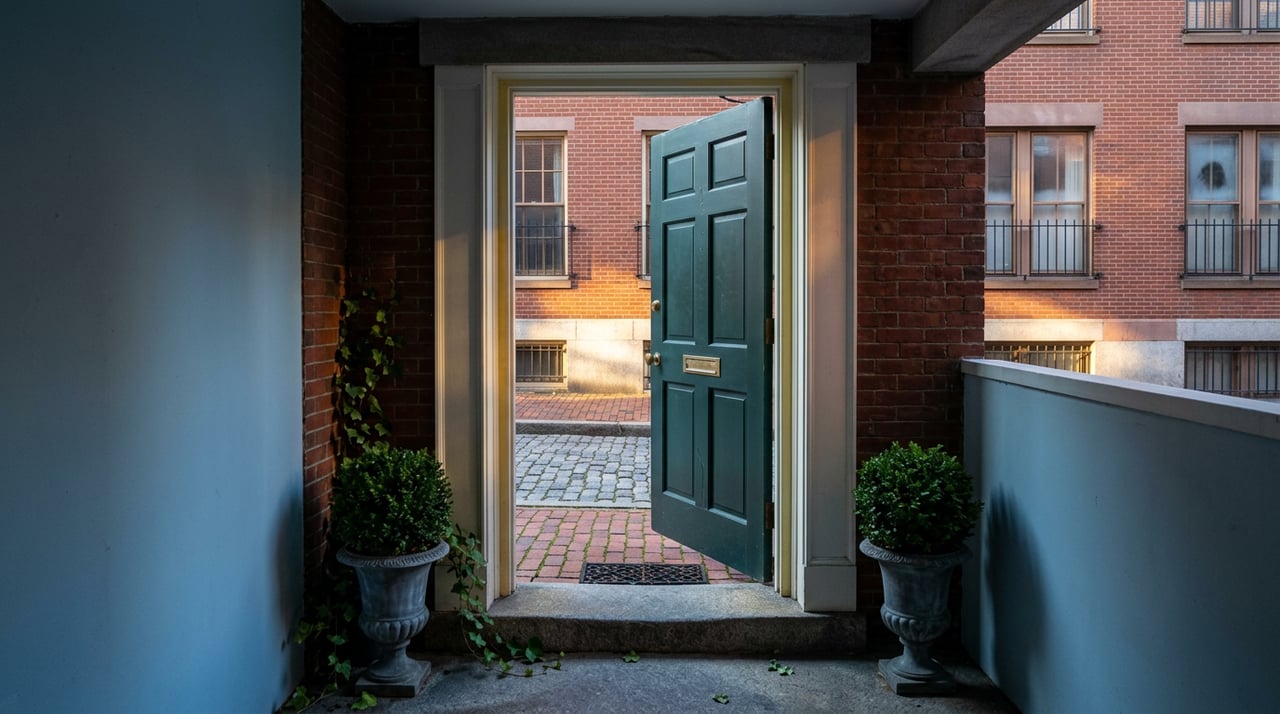
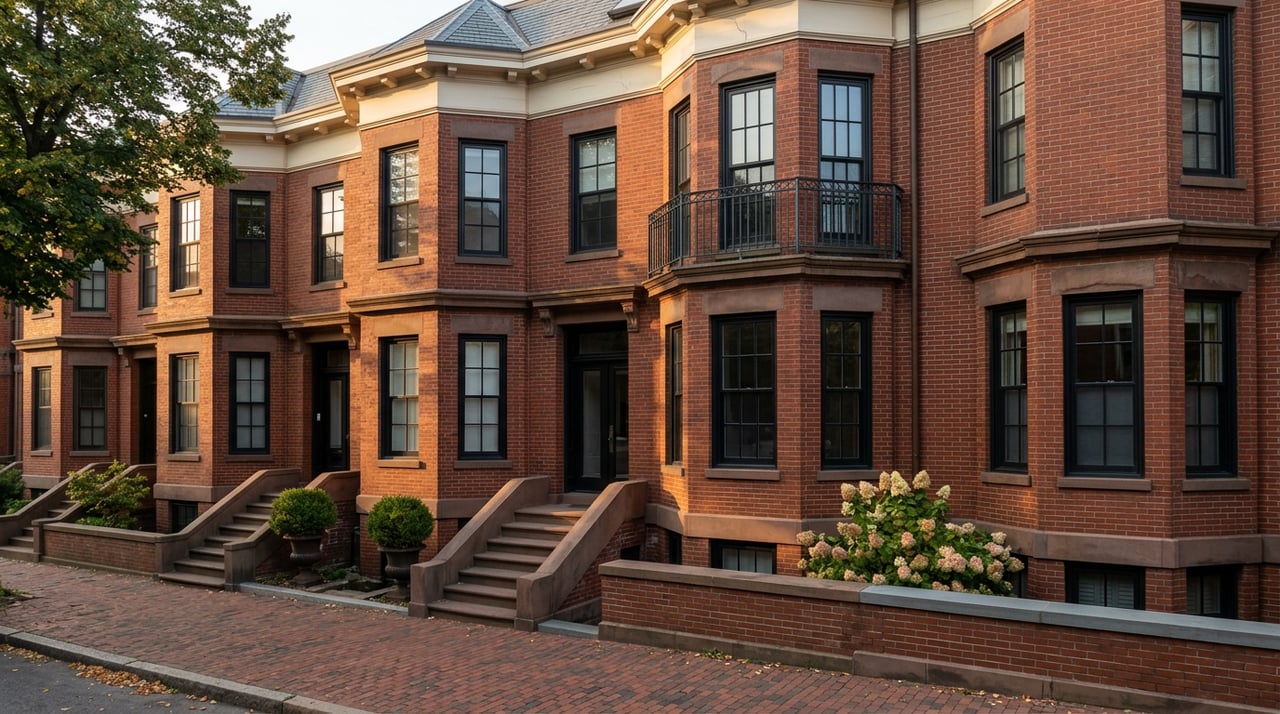
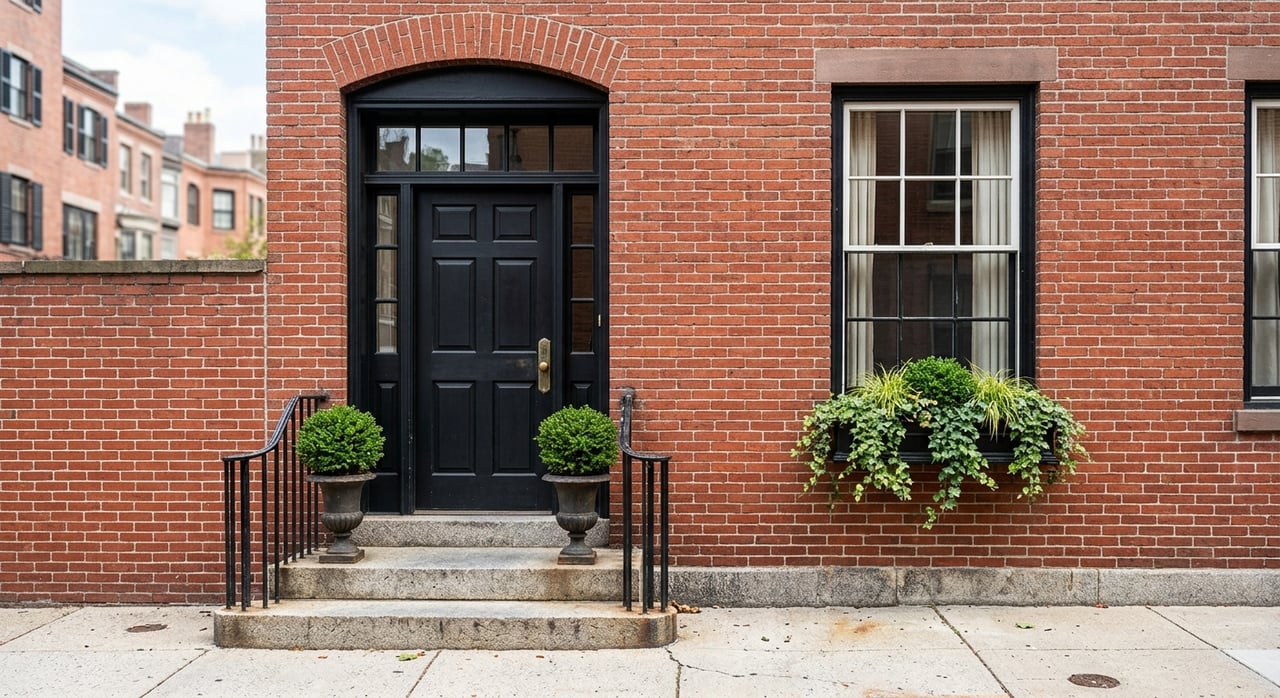
Beacon Hill is an officially protected historic district in Boston, known for its brick row houses, ornate doors, decorative ironwork, brick sidewalks, and gas lamps. The district was established in 1955 and expanded again in 2024. The neighborhood also includes a mix of Federal and Greek Revival houses, 19th-century apartment buildings, and adaptive reuse properties such as former stables and carriage houses.
For you as a buyer, that means many condos in Beacon Hill are part of older buildings with a long architectural history. Floor plans, building systems, and original details can vary widely from one unit to the next, even on the same block. That variety is part of the appeal, but it also means careful due diligence matters.
Expect older building systems and custom upkeep
Historic Beacon Hill buildings often include materials and details that are meant to be preserved, not swapped out with standard replacements. The Beacon Hill Architectural Commission guidelines focus on protecting masonry, rooflines, windows, doors, trim, balconies, handrails, and other visible exterior elements. In practice, owners often need repair-first solutions and historically compatible materials.
That can affect both maintenance planning and your long-term budget. Repairs may take more time, require specialized contractors, and cost more than work in a newer condo building. If you love original character, it helps to go in with a clear view of what preservation-friendly ownership can involve.
Masonry may need specialized work
Brick, stone, and brownstone are a major part of Beacon Hill’s look, and the city’s guidelines treat them carefully. Masonry cleaning is generally discouraged unless it is necessary to stop deterioration, and sandblasting is not allowed. Repointing work must match the building’s historic character, including mortar strength and joint profile.
If a building needs exterior masonry repairs, the association or unit owners may need to use specific materials and methods. That can increase costs and extend project timelines. It is smart to review whether the building has recently completed masonry work or expects to in the near future.
Windows are often repaired, not replaced
Historic windows are another major consideration. The guidelines say windows should be repaired when possible, and replacement windows must follow strict standards. Vinyl-clad sash is not permitted, simulated muntins are not allowed, and windows are expected to retain true divided lights with clear, non-tinted glass.
For you, this means window projects may not be as simple as ordering standard replacements. If your unit has older windows, ask whether they are owner-maintained or handled by the condo association. Also ask whether any past work was approved and whether future repairs are likely.
Rooflines and visible additions face limits
Roof elements in Beacon Hill are tightly regulated. Historic rooflines, chimneys, dormers, parapets, and firewalls should be retained, while visible roof decks and deck enclosures are considered inappropriate. New roof access structures are also expected to stay low profile and out of view from a public way.
If a top-floor condo is on your wish list, look closely at what private outdoor space actually exists and what changes are possible. A listing may highlight roof access potential, but in Beacon Hill, potential does not always translate into approval.
Renovations can require city review
One of the biggest differences in Beacon Hill ownership is that exterior work visible from a public way falls under review by the Beacon Hill Architectural Commission. The city notes that public views can include places like Boston Common, the Public Garden, Storrow Drive, the Charles River Esplanade, and the Longfellow Bridge. That means visibility can extend farther than you might expect.
The Commission reviews whether proposed work fits the district’s historic character, materials, style, and relationship to nearby buildings. For buyers, this is a key point. Even projects that feel minor in another neighborhood can become a formal review item in Beacon Hill.
Projects that may trigger review
Depending on the scope and visibility, review may apply to changes such as:
- Replacing windows
- Changing exterior doors
- Altering masonry or brownstone
- Adding or changing exterior lighting or intercom hardware
- Modifying roof structures
- Installing visible HVAC equipment, telecom equipment, or similar exterior components
- Changing exterior paint colors on applicable features
The city says exterior work visible from a public way should not begin until the Commission approves it. Buyers also should not assume they can purchase materials first and work out approvals later, because the city specifically advises against starting work or buying materials before approval.
Timing matters more than you think
If you are buying with renovation plans, build extra time into your schedule. The city states that each application should be complete before it is placed on the agenda, and the Commission will not formally review an application until zoning issues are resolved through the Zoning Board of Appeal.
That means your timeline may involve design planning, revisions, zoning coordination, and permitting before work can begin. A Certificate of Appropriateness is valid for two years, and if work has not started by then, a new application is required. Violations can lead to fines of up to $1,000 per day, so following the process matters.
Condo documents matter even more in historic buildings
When you buy a condo in Massachusetts, you are not just buying the unit. You are also stepping into a governance structure defined by the master deed, bylaws, rules and regulations, and Chapter 183A of the Massachusetts General Laws. In a historic Beacon Hill building, these documents can be especially important because maintenance responsibility is not always obvious from the listing or the floor plan.
The state explains that condo documents can define common areas, limited common elements, percentage interests, maintenance obligations, insurance arrangements, reserve funds, common expenses, assessments, and architectural or use restrictions. In a historic property, that can directly affect your costs and your ability to make changes.
Pay attention to limited common elements
Limited common elements can be one of the most important details in an older condo building. Under Massachusetts law, maintenance, repair, or replacement of a limited common area may be assessed only to the unit to which it belongs, or the owner may be made directly responsible if the governing documents say so.
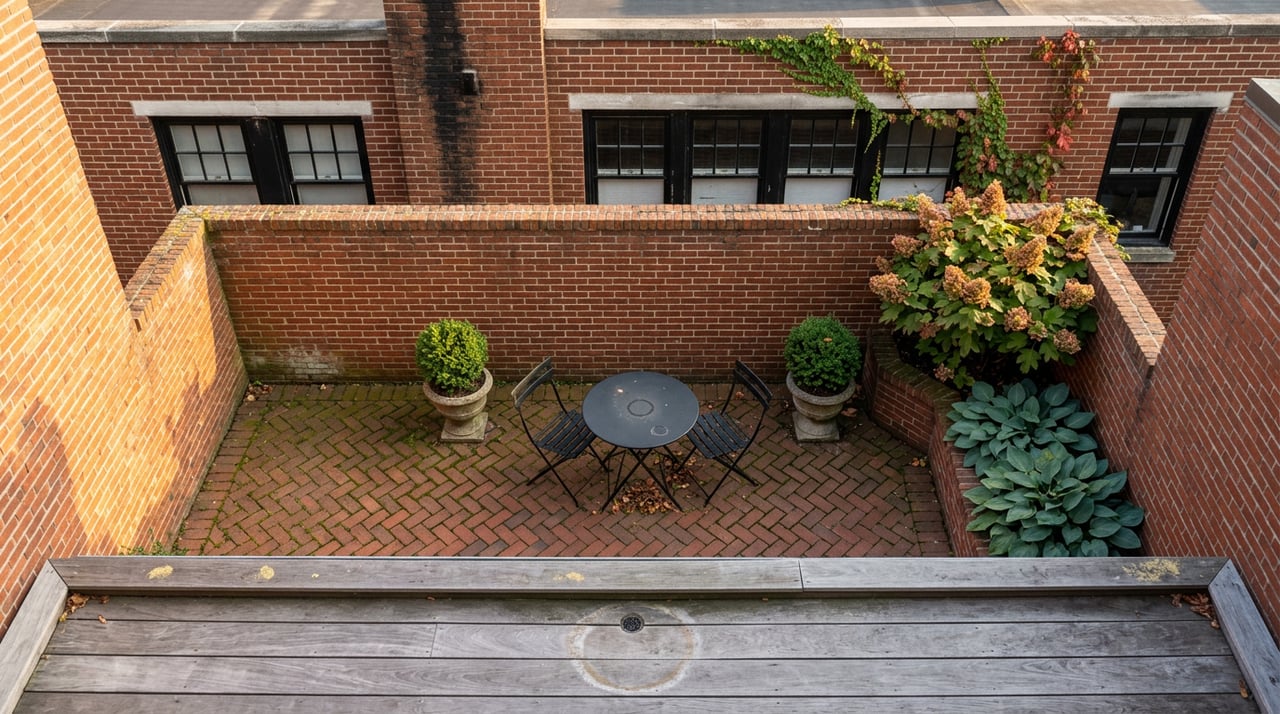
That matters if your condo includes features such as windows, a patio, roof access area, or other building elements that are not fully private but are not shared by the whole building either. Before you buy, it is worth confirming exactly who maintains what and who pays when repairs come up.
Review budgets and assessment history
Historic buildings can need larger capital projects, especially if exterior materials or roof components require specialized work. That is why recent budgets, reserve funding information, meeting minutes, and special assessment history are so important.
You want to understand whether the association appears to be planning ahead or reacting to deferred maintenance. Look for signs of upcoming projects involving masonry, windows, roofs, or exterior systems. Those items can have a direct impact on your monthly costs and future assessments.
Insurance is not one-size-fits-all
Massachusetts notes that condo associations usually carry insurance covering the building, including common walls and grounds, while unit owners need their own coverage for what the master policy does not cover. The state also notes that many condominium agreements allow assessments against an owner for extra costs connected to a loss covered by the master policy.
For you, that means insurance review should be part of your purchase diligence, not an afterthought. Ask what the association’s master policy covers and what gaps you would need to fill with your own policy. In an older building, clear answers on responsibility can save a lot of stress later.
A smart due diligence checklist for Beacon Hill buyers
Before you commit to a historic Beacon Hill condo, focus on the details that affect ownership most:
- Read the master deed, bylaws, and rules and regulations
- Review recent budgets and reserve funding
- Ask for meeting minutes and special assessment history
- Confirm responsibility for windows, roofs, HVAC equipment, patios, and other limited common elements
- Ask whether past exterior work received required approvals
- Review any planned exterior projects or pending repair needs
- Understand the association’s insurance coverage and your likely unit-owner policy needs
Massachusetts also advises that questions about condo rights, responsibilities, and document interpretation are legal in nature and should be directed to a real estate attorney experienced in condominium law. That is especially helpful in historic buildings, where shared ownership and preservation rules can overlap in ways that are not obvious at first glance.
The upside of owning in Beacon Hill
Beacon Hill ownership is not just about rules and maintenance. It is also about living in one of Boston’s most recognizable historic neighborhoods, where architecture and streetscape are actively protected. That preservation framework is a big reason the neighborhood feels so distinct.
If you are drawn to craftsmanship, original detail, and homes with a sense of history, a Beacon Hill condo can offer something hard to replicate elsewhere. The key is buying with a full understanding of the building, the condo documents, and the review process so your expectations match the reality of ownership.
A thoughtful buying strategy can help you enjoy the character without being surprised by the responsibilities. If you want expert guidance on buying a condo in Beacon Hill and understanding how building details may affect your plans, Victoria Pacella can help you navigate the process with a design-aware, high-touch approach.
FAQs
What makes owning a Beacon Hill condo different from owning a newer Boston condo?
- Beacon Hill condos are often located in older historic buildings, so you may see more variation in layouts, older building systems, preservation rules, and specialized maintenance needs.
Do Beacon Hill condo renovations need approval from the city?
- Exterior work visible from a public way generally requires review and approval from the Beacon Hill Architectural Commission before work begins.
Can you replace windows in a historic Beacon Hill condo with standard modern windows?
- Not usually. The guidelines favor repair when possible and require historically compatible replacements, including true divided lights and clear, non-tinted glass.
Are roof decks allowed on Beacon Hill condo buildings?
- The guidelines state that visible roof decks and deck enclosures are considered inappropriate, so buyers should not assume roof changes will be approved.
What condo documents should you review before buying a Beacon Hill condo?
- Key documents include the master deed, bylaws, rules and regulations, budgets, reserve information, meeting minutes, and special assessment history.
Who pays for repairs in a Beacon Hill condo building?
- Payment responsibility depends on the condo documents and whether the item is part of the unit, a common area, or a limited common element tied to a specific unit.