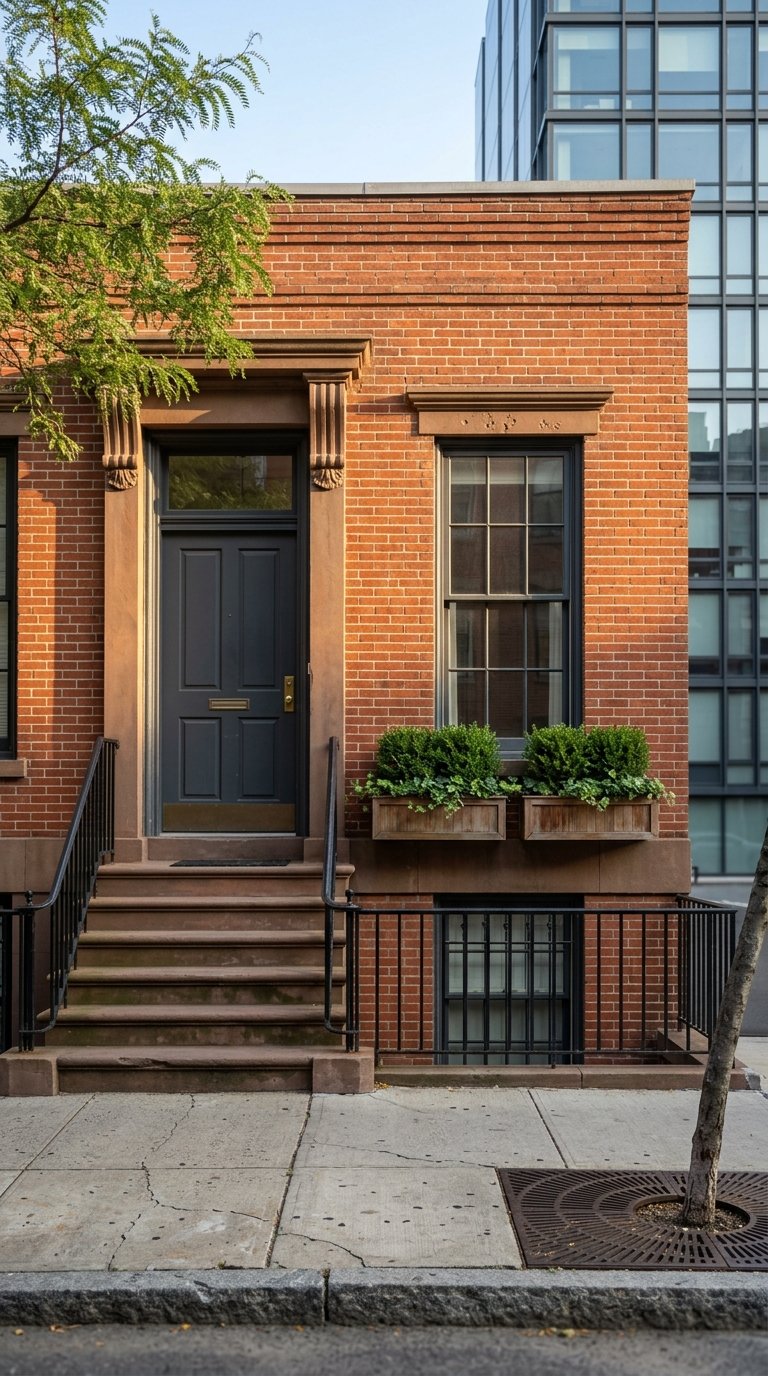
Trying to choose between a Back Bay brownstone and a high-rise condo? In this neighborhood, that decision shapes far more than your daily view. You are weighing historic architecture, building rules, monthly costs, maintenance style, and the kind of living experience you want most. If you are deciding where your money and lifestyle fit best, this guide will help you compare both options with more clarity. Let’s dive in.
Why this choice matters in Back Bay
Back Bay is not a typical condo market. It is a protected historic district, and the Back Bay Architectural District Commission reviews proposed exterior work before it begins. That means the brownstone versus tower decision affects not only style, but also how much flexibility you may have with exterior updates and how your building is maintained over time.
Back Bay is also known for its intact Victorian and Edwardian residential architecture. That historic character is part of the neighborhood’s appeal and part of its value story. When you buy here, you are not just choosing square footage. You are choosing a building type, an ownership experience, and a long-term maintenance structure.
What a Back Bay brownstone offers
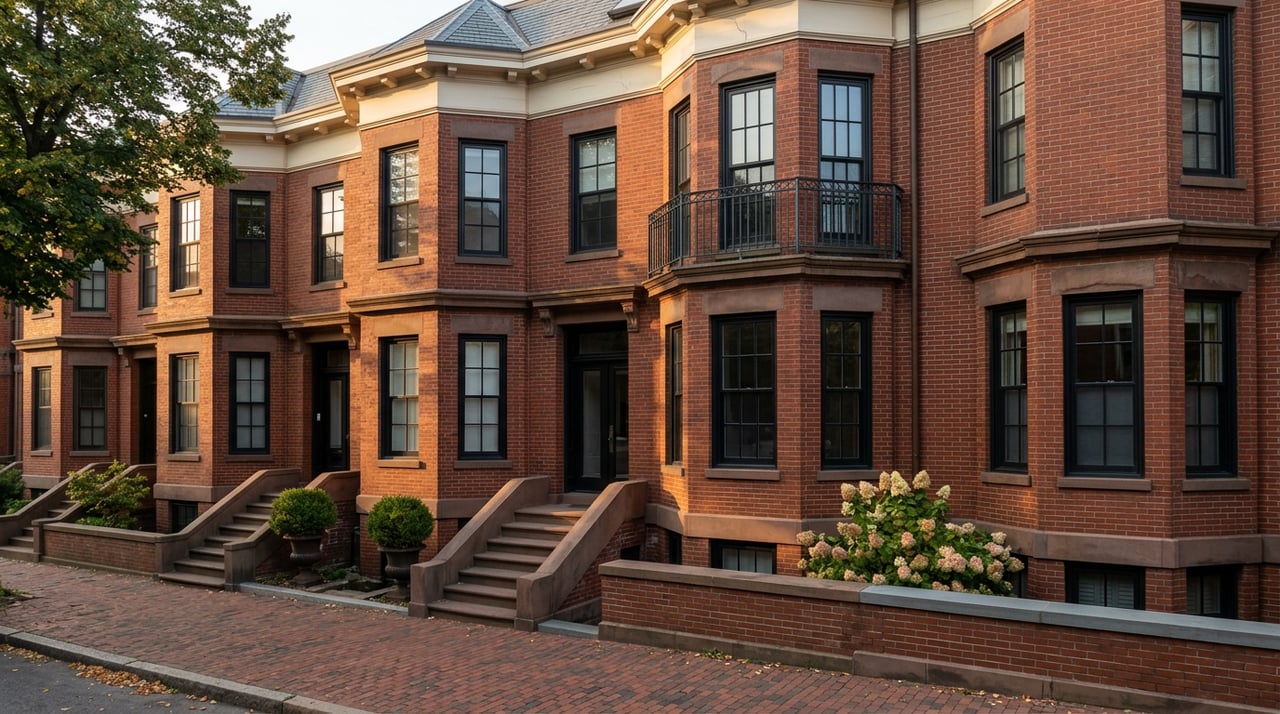
A Back Bay brownstone often means a former townhouse or mansion-style home that was later converted into a small number of condo units. Historic examples show how intimate these buildings can be, with some containing just two, five, or eight units. Compared with a larger tower, that usually creates a more private, boutique feel.
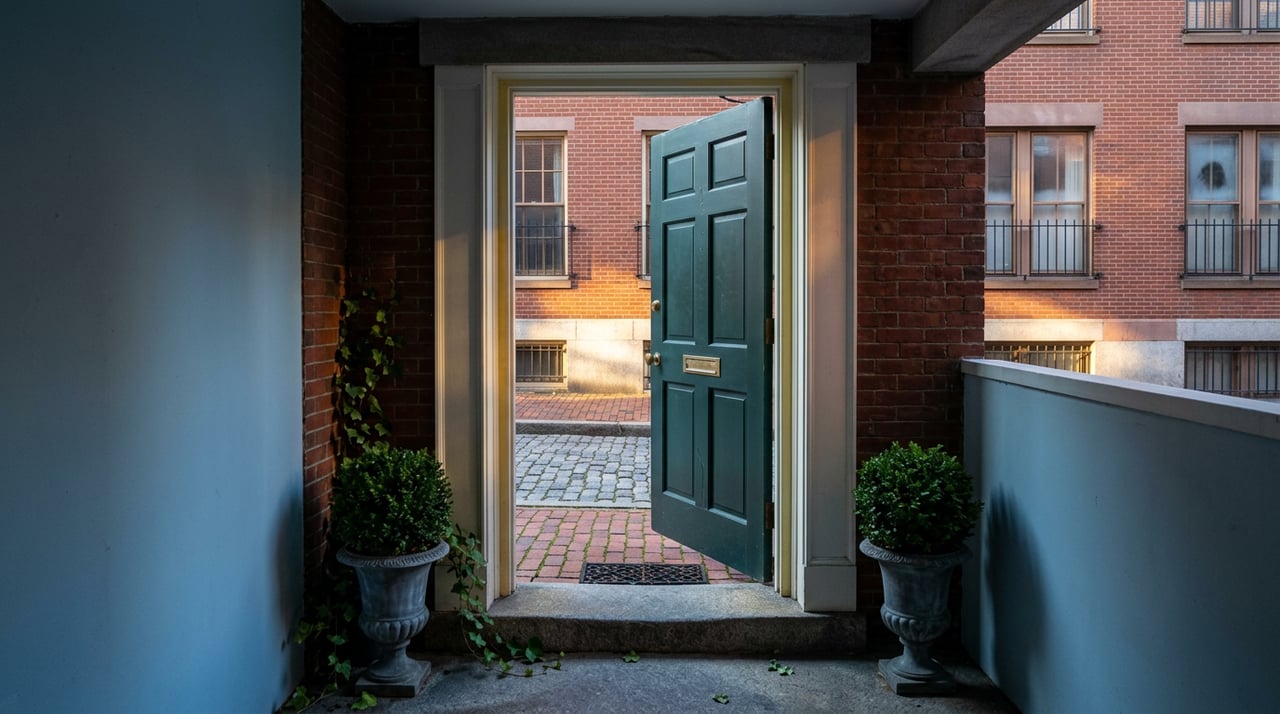
Many buyers are drawn to brownstones for their architectural character. Common details include brownstone facades, shared entrance porticos, mansard roofs, bay windows, and formal entrance levels with larger halls and parlor-style spaces. Inside, you may also find layouts and period details that feel more custom and less repetitive than newer construction.
That charm comes with tradeoffs. Brownstones often have more stairs, narrower floor plates, and fewer shared amenities. Their maintenance needs are also shaped by older masonry, roofs, windows, and historic finishes, which can require a more careful approach.
Brownstone advantages
If you are drawn to character and privacy, a brownstone may feel more like home right away. These are some of the biggest reasons buyers choose them:
- Smaller associations with a boutique scale
- Unique floor plans and original architectural details
- A more house-like feel than a large residential tower
- Historic scarcity that is closely tied to Back Bay’s identity
Brownstone tradeoffs
Before you buy, it helps to go in with clear expectations. Common considerations include:
- More stairs and less elevator access
- Fewer building-wide amenities
- Older exterior materials that may need careful upkeep
- More shared owner involvement in building decisions in some smaller associations
What a Back Bay high-rise offers
A full-service high-rise in Back Bay usually centers on convenience. Buildings like The Clarendon and The Belvedere reflect the typical tower appeal, with features such as concierge or doorman service, elevator access, garage or valet parking, resident lounges, roof decks, on-site management, and, in some cases, direct access to retail or dining.
For many buyers, the biggest draw is ease. You may have fewer day-to-day concerns about stairs, package delivery, exterior upkeep, or coordinating shared repairs. High-rise living often feels more turnkey, especially if you value services, security, and amenity access.
The tradeoff is usually cost structure. Towers often include more services and shared systems, so monthly condo fees may reflect that. In one current Belvedere fee package, listed services include heat, hot and cold water, sewer, air conditioning, master insurance, security, elevator, exterior maintenance, landscaping, snow removal, refuse removal, reserve funds, management, concierge services, and building amenities.
High-rise advantages
A Back Bay high-rise may be the better fit if convenience leads your wish list. Key benefits often include:
- Elevator access and easier daily living
- Concierge, doorman, or on-site management services
- Shared amenities like lounges or roof decks
- Garage or valet parking in some buildings
- Less direct involvement in exterior maintenance decisions
High-rise tradeoffs
The ease of tower living may come with a different set of compromises. Buyers should consider:
- Higher monthly carrying costs in many full-service buildings
- More shared rules, systems, and building-wide policies
- Layouts that may feel less distinctive than historic homes
- A living experience that is often more service-oriented than architectural
Renovation rules matter in both
One of the biggest misconceptions in Back Bay is that you can renovate a brownstone freely as long as you own the unit. In reality, exterior work in the district needs approval from the Back Bay Architectural District Commission before work begins. The guidelines are especially strict around historic facades and visible exterior changes.
The rules emphasize maintaining and repairing historic materials and features rather than replacing them. They also tightly regulate changes to facades, window openings, rooftop additions, roof decks, skylights, and roof access structures. If you are buying a brownstone with plans for visible exterior updates, this review process should be part of your decision from day one.
High-rises are not automatically exempt. If a high-rise property is located in the district, exterior work is still subject to BBAC review. So while towers may feel more modern in operation, they still sit within the same broader historic framework when exterior changes are involved.
How associations can feel very different
Association structure is often one of the clearest differences between a brownstone and a high-rise. Under Massachusetts condo law, associations must keep replacement reserve funds separate from operating funds, keep records and financial reports, and designate responsibility for maintaining and repairing common areas. The law also allows associations to be self-managed or professionally managed.
In practical terms, that often means a small brownstone association can feel more owner-run. A high-rise usually needs a more formal management structure because it has more shared systems, more residents, and more services to oversee. Neither model is better by default, but they create very different ownership experiences.
If you prefer hands-on involvement and a smaller decision-making group, a brownstone may appeal to you. If you want systems, staff, and clearer operational structure, a tower may feel easier to live with.
What to look at beyond the listing photos
In Back Bay, a beautiful interior is only one part of the story. For resale and day-to-day livability, buyers should also pay close attention to how the building functions. The strongest signals often go beyond finishes and staging.
When you compare options, look closely at:
- Parking availability
- Elevator access
- Reserve fund health
- Documented maintenance history
- The overall ease of living in the unit
- The unit’s appeal for future resale or rental demand
This is where a design-forward lens can help. A brownstone with great original detail but a challenging layout may live very differently from a polished high-rise condo with strong functionality. The right choice is often the one that balances architecture, operations, and your everyday routine.
Which holds value better?
There is no one-size-fits-all answer. In Back Bay, both brownstones and high-rises can hold value well when the building is well maintained. The value proposition simply comes from different places.
Brownstones tend to lean on historic scarcity, architectural character, and boutique scale. High-rises tend to lean on service level, convenience, views, and amenities. In a neighborhood where historic integrity is part of how property values are supported, building condition and governance matter just as much as style.
How to decide what fits you best
If you are choosing between the two, start with your daily life rather than just your wish list. Think about how you want to move through your space, how much service you expect, and how comfortable you are with building rules and shared decision-making. The best fit usually becomes clearer when you picture a normal Tuesday, not just an open house weekend.
A brownstone may fit you best if you want character, privacy, and a more intimate ownership experience. A high-rise may fit you best if you want convenience, amenities, and a more turnkey setup. In Back Bay, both can be excellent options, but they solve for different priorities.
If you want help weighing architecture, association structure, resale considerations, and design potential, working with a local expert can make the search much more focused. Victoria Pacella brings a boutique, design-led approach to buying and selling in Boston, helping you look beyond the brochure and choose the property that truly fits your goals.
FAQs
Can you renovate a Back Bay brownstone freely?
- No. If the work affects the exterior, it needs review and approval from the Back Bay Architectural District Commission before it begins.
Do Back Bay high-rises also face historic review?
- Yes. If the property is within the district, exterior work is still subject to BBAC review.
Are condo fees always higher in a Back Bay high-rise?
- Not always, but high-rises often bundle more services, shared systems, and amenities, which can push monthly fees higher.
What does a Back Bay brownstone association usually feel like?
- It often feels smaller and more owner-run, especially when the building has only a handful of units.
What should you review before buying a Back Bay condo?
- Look at reserve funds, maintenance records, parking, elevator access, building management, and how easy the unit will be to live in and resell.