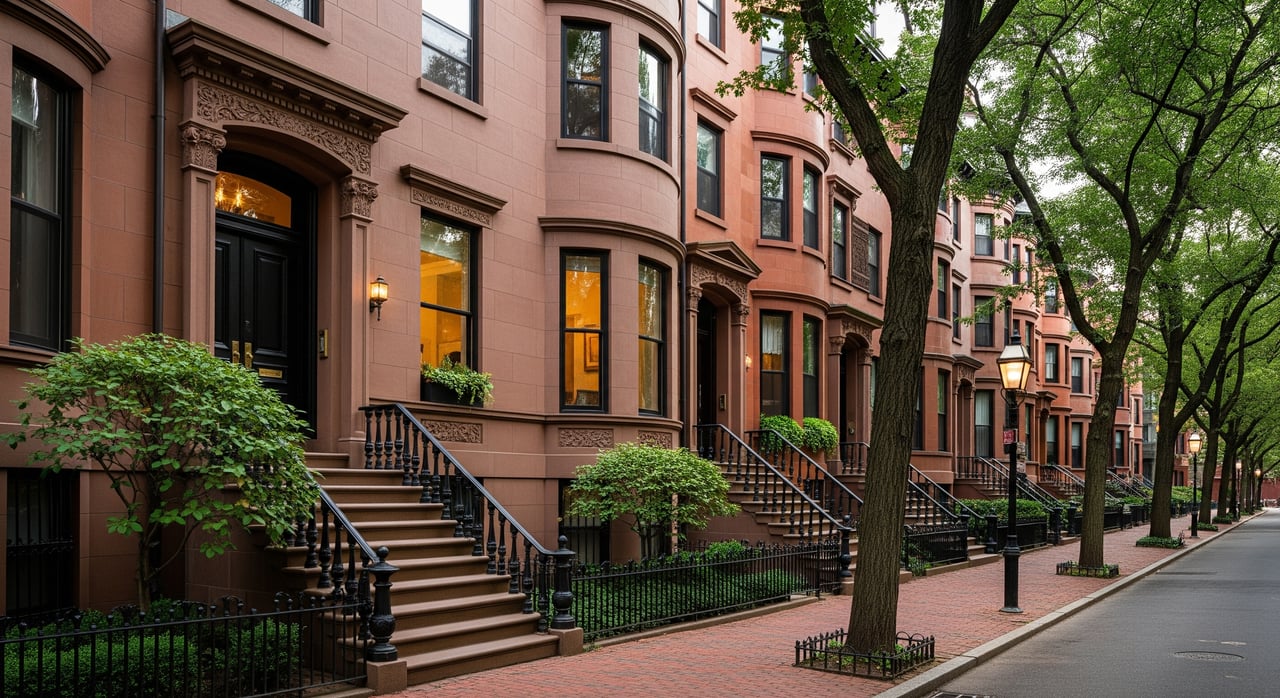
Trading subway stops for brownstone stoops? If you are relocating from NYC to Back Bay, you want a clear picture of daily life, housing options, and how the buying process works in Boston. This guide breaks down what will feel familiar, what is different, and how to plan a smooth move on your timeline. You will learn about Back Bay housing types, commutes, HOA norms, due diligence, remote search tips, and a simple move checklist. Let’s dive in.
Why Back Bay appeals
Back Bay sits at the heart of Boston with tree-lined avenues, landmark brownstones, and lively streets like Newbury and Boylston. You are close to the Boston Public Garden, the Commonwealth Avenue Mall, and major cultural venues. The neighborhood’s walkability, shopping, and dining make it a natural fit if you want a compact, urban lifestyle.
Back Bay blends 19th-century architecture with modern living. You will find classic rowhouses on Commonwealth Avenue and Marlborough Street alongside high-rise luxury towers by Copley and Prudential. It is one of Boston’s higher-priced areas, and inventory for turnkey homes can be limited.
Back Bay homes: your options
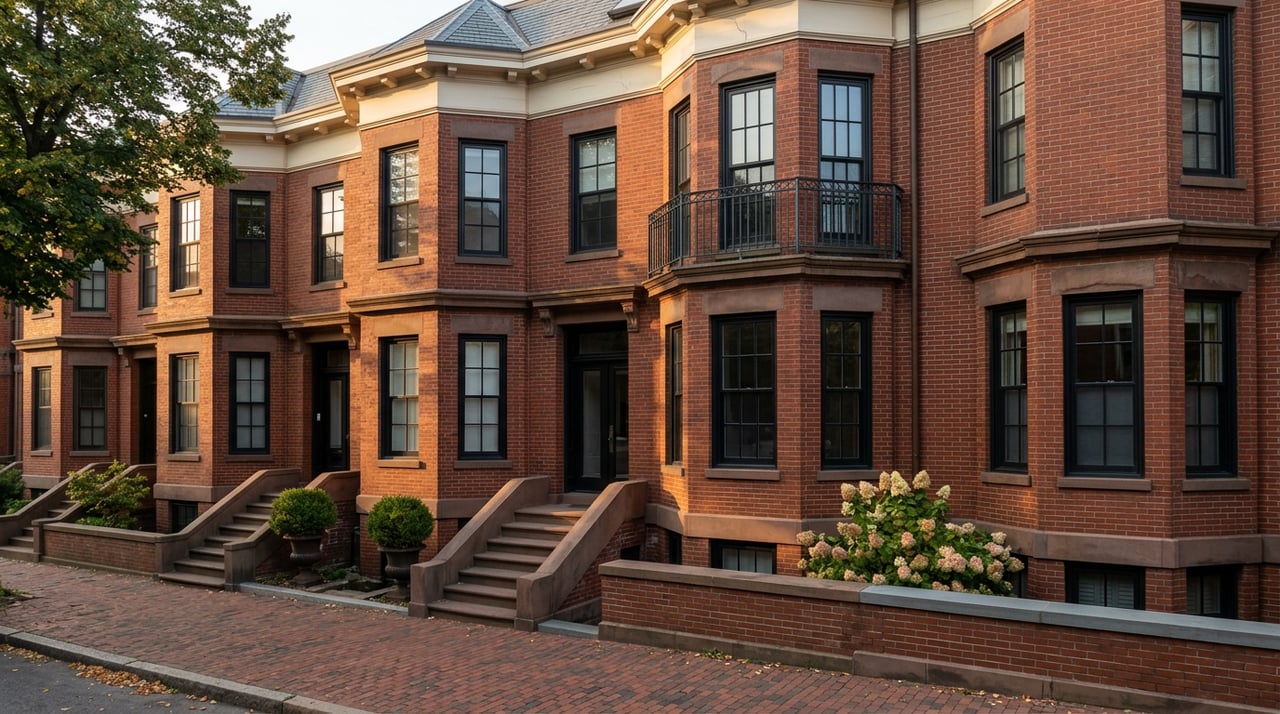
Brownstones and townhouses
- Typical style: masonry rowhouses with original details like fireplaces, high ceilings, and period staircases.
- Ownership: single-family, multi-family, or condo conversions. Layouts often span multiple levels.
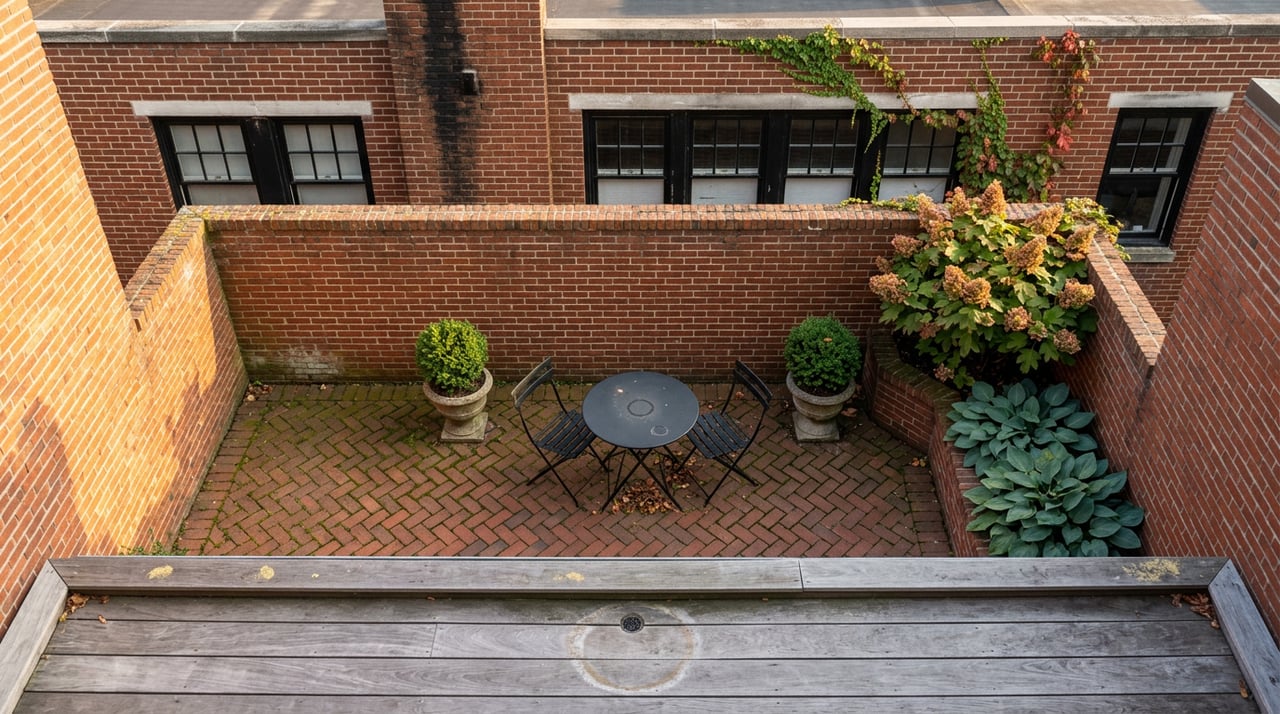
- Pros: historic character, a more private feel, and sometimes outdoor space in back.
- Cons: older systems may need ongoing maintenance, limited elevators, and historic-district rules can affect exterior changes.
Luxury condos and towers
- Typical style: modern towers and converted historic buildings with studios to multi-bedroom homes.
- Pros: turnkey living with amenities like concierge, gym, elevators, parking, and package rooms.
- Cons: monthly condo fees and building rules on issues like short-term rentals. Outdoor space is more limited in many buildings.
If you prefer direct control and character, a brownstone may suit you. If you want convenience with services, a condo is likely the better fit. Many brownstones have been converted to condos, so always confirm building type and association rules.
Commute and getting around
Back Bay is a transit hub. Back Bay Station connects to the Orange Line and several Commuter Rail lines, and the Green Line stops at Copley and Hynes Convention Center. Expect about 10 to 20 minutes to Boston’s Financial District by transit, and a short ride to South Station by train or taxi.
For regional travel, Amtrak serves Back Bay on select routes, with more service from South Station. Logan Airport is about 20 to 30 minutes by car depending on traffic, and you can also reach it by transit. The neighborhood is very walkable and bikeable, with many residents commuting by foot or bike.
Driving is not the default. Street parking is limited, and traffic can be slow at peak hours. Many residents rely on transit, ride-share, and bikes for daily needs.
Parking and vehicle planning
Residential on-street parking in Boston uses neighborhood permits, and availability varies by block. Some luxury buildings offer deeded or leased garage spaces, often at a premium. Brownstones rarely have dedicated garage parking unless a carriageway exists.
If a car is essential for you, plan for garage fees or a separate lease. You should budget for parking as a stand-alone expense. If a car is optional, transit and ride-share will likely cover most needs.
Condo and HOA basics
Condo fees vary by building age, size, and amenities. Lower-amenity buildings may have modest fees covering common-area maintenance and insurance. Full-service towers with staff and amenities often have higher monthly assessments.
Typical inclusions can cover building insurance, exterior maintenance, elevators, trash, snow removal, and reserves for capital projects. Before you commit, request the association’s financials, reserve studies, recent meeting minutes, and any pending assessments.
Review bylaws for subletting, short-term rentals, pet policies, renovation procedures, and board approvals. In a single-family brownstone, you avoid HOA fees but handle all maintenance and must follow historic-district rules for exterior work.
Inspections and due diligence
After your offer is accepted, schedule a home inspection promptly. For condos, you will still want to check mechanicals and look for moisture or ventilation issues. In older brownstones, consider additional evaluations for HVAC, chimneys, or structural items if anything concerns you.
Plan time to review condo documents, association budgets, reserves, and meeting minutes. Your attorney and lender will coordinate title work and closing documents. Most buyers try to complete inspections within one to two weeks of offer acceptance.
Financing and timeline
Relocating buyers often tour in a focused window or begin with virtual tours, then make an offer. From acceptance to closing, plan on 30 to 60 days with conventional financing. All-cash purchases may close faster if title and documents are ready.
Inspection contingencies often run 7 to 14 days, and mortgage commitments are typically due around 30 to 45 days depending on your loan. In Massachusetts, attorneys for buyer and seller typically review the purchase and sale and coordinate closing logistics. You can handle many steps remotely with secure e-signatures and your attorney’s guidance.
Remote home search: a smart plan
Relocating on a tight schedule benefits from a structured approach. Here is a practical workflow you can follow from NYC:
- Clarify criteria and budget
- Define must-haves, parking needs, pet rules, and a realistic price range. If financing, secure a pre-approval.
- Shortlist the right homes
- Ask your agent to curate 6 to 12 strong options, plus 1 or 2 stretch choices, aligned to your goals.
- Review clear visuals
- Prioritize listings with floor plans and high-quality photos or 3D tours to assess layout, light, and storage.
- Do live video walk-throughs
- Schedule guided video tours to hear street noise, see window exposures, and understand flow. Request recordings when allowed.
- Vet the building
- Review condo documents, recent minutes, budgets, reserve studies, and any known assessments.
- Prepare a competitive offer
- Use local comps and seller timelines to shape terms that work for you and keep contingencies realistic.
- Handle closing steps remotely
- Use secure signing, coordinate with a Massachusetts attorney, and plan for any notarization or final in-person requirements.
- Line up move logistics
- Arrange movers, utilities, parking for move-in day, and short-term housing if dates do not align.
Moving checklist and timeline
8 to 12 weeks out
- Get pre-approval or organize proof of funds.
- Research neighborhood fit and any school needs.
- Start decluttering and pricing out interstate movers.
- If keeping or selling NYC property, consult your tax advisor and property manager.
4 to 6 weeks out
- Book travel for in-person tours and inspections if needed.
- Request condo documents and understand any approval timelines.
- Notify your employer and confirm relocation benefits if offered.
2 weeks out
- Book movers and set up Back Bay utilities and internet.
- Forward mail and confirm move-in parking or loading zone access.
1 week out
- Do a final walkthrough and confirm closing funds and wiring instructions.
- Arrange short-term housing if closing and move-in do not match.
Move-in and after
- Update your driver’s license and vehicle registration if applicable.
- Register to vote and set up local services.
Plan your Back Bay move with confidence
Relocating from NYC to Back Bay blends the best of city living with Boston’s historic character. With clear criteria, an efficient search plan, and a strong team, you can secure the right home on your timeline. If you want design-minded guidance and a calm, thorough process from start to finish, connect with Victoria Pacella to start your move.
FAQs
How does Back Bay compare to NYC neighborhoods?
- Back Bay offers dense, walkable streets like you find in Manhattan, with historic brownstones and modern towers, plus major retail and parks a short walk away.
What are typical commute options from Back Bay?
- You can use the Orange and Green Lines, Commuter Rail, and Amtrak, with most central Boston commutes taking about 10 to 20 minutes by transit.
Do I need a car in Back Bay?
- Many residents do not. Transit, walking, biking, and ride-share cover most needs. If you keep a car, plan for limited street parking and premium garage costs.
What do condo fees usually cover in Back Bay?
- Fees often include common-area maintenance, building insurance, trash, snow removal, and reserves, with higher-amenity buildings funding staff and services.
How long does a Back Bay purchase take?
- From accepted offer, most financed purchases close in 30 to 60 days, while cash deals may close faster if title and documents are ready.
Can I handle the purchase remotely?
- Many steps can be completed remotely using secure e-signatures and attorney coordination. Confirm any notarization or in-person requirements early.