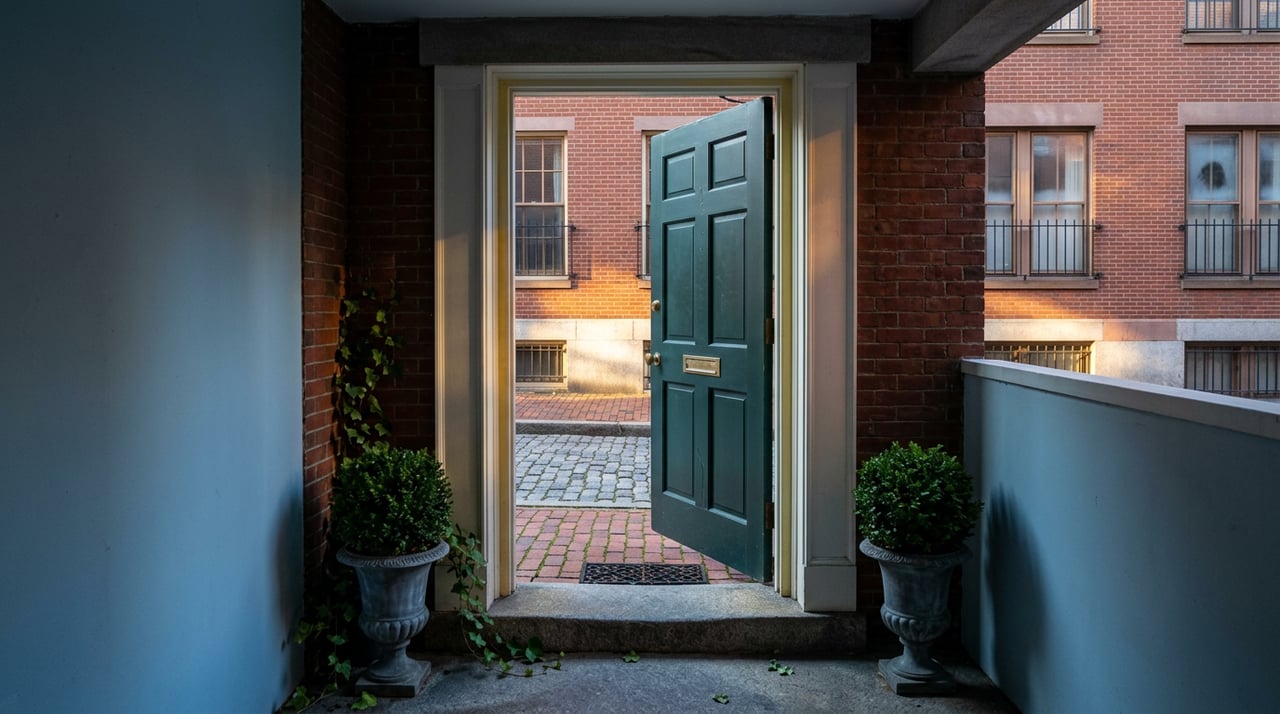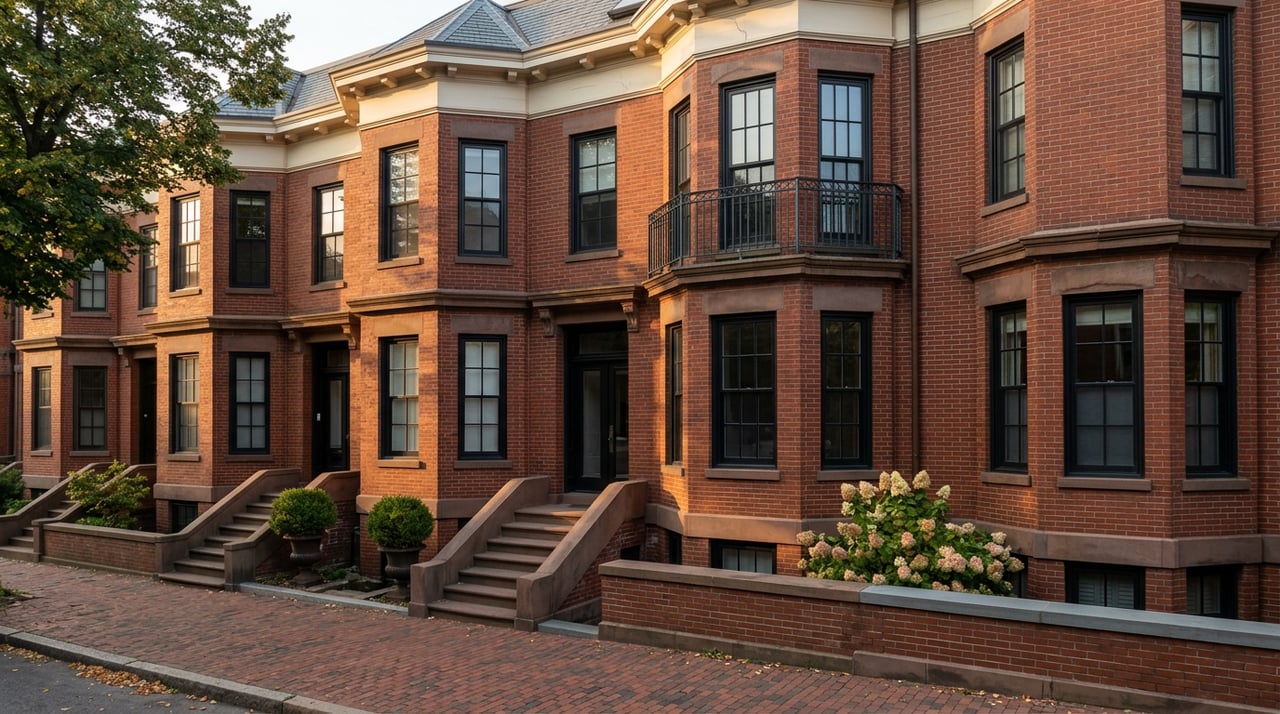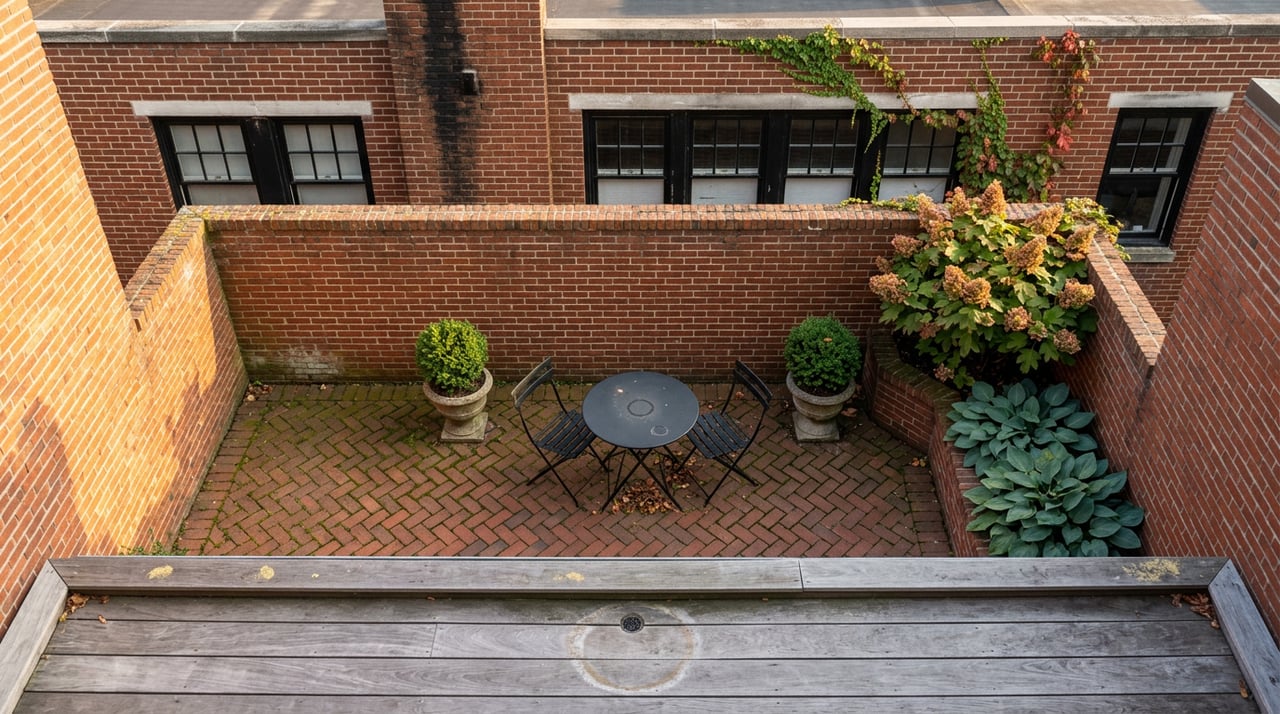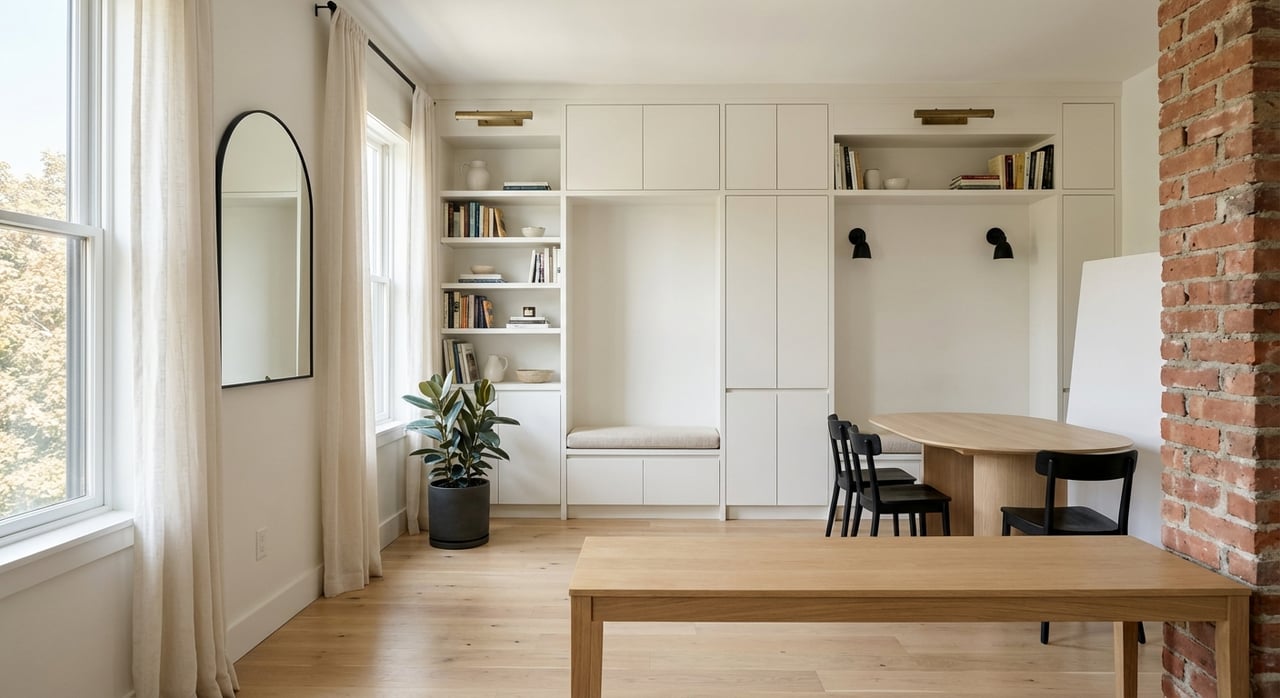
Is your Back Bay condo long on character but short on space? You are not alone. Many homes here sit inside historic brownstones with narrow floor plates, tall ceilings, and beautiful bay windows that deserve to shine. With a few smart, preservation‑friendly choices, you can make your rooms feel larger, function better, and photograph beautifully when it is time to sell. In this guide, you will learn design ideas that work in Back Bay buildings, the approvals to know, and a simple checklist to move from plan to project. Let’s dive in.
Know your Back Bay context
Historic district basics
Back Bay is an architectural district with local design review. If your project touches anything visible from a public way, the Back Bay Architectural District Commission (BBAC) reviews it. Plan to apply for a Design Approval or Certificate of Appropriateness and budget time for review. You can find the district overview and contact information on the City’s page for the Back Bay Architectural District.
What that means inside your condo
Window changes on primary elevations are closely regulated. The residential standards discourage modern look‑alike replacements on street‑facing façades and favor repair, true‑to‑profile replication, or interior storm windows that preserve exterior appearance. Read the Back Bay residential guidelines before you scope window or exterior work. The City also encourages energy upgrades that avoid harming character, such as interior storms and reversible improvements, in its Resilient Historic Design Guide.
Older Back Bay buildings often have party walls, legacy plumbing stacks, steam radiators, and electrical constraints. That affects what you can move and where you can run new systems. Before opening walls, get familiar with how brownstones differ by reading this overview of building systems in Back Bay rowhouses and conversions from Morgan Boston.
Space‑making layout moves
Open sightlines smartly
Start with furniture and flow. Pull tall storage off window walls, align seating to the bay, and keep walk paths clear. If you consider removing a non‑load‑bearing partition to connect living, dining, and kitchen zones, consult a structural engineer and review your condo rules. In older masonry buildings, party walls and structural brick are common, so professional verification protects your investment and schedule.
Swap to pocket or sliding doors
Traditional door swings eat square footage. A pocket or sliding door can recover 10 to 14 square feet of usable floor area in a small bedroom or bath. For compact bathrooms, pocket doors pair well with other space‑savers such as glass showers and recessed niches. See more small‑bath strategies from This Old House.
Built‑ins that add function
Turn bays into seating and storage
Your bay window is prime real estate. A built‑in window seat with drawers adds concealed storage and a sunny reading spot without blocking light. In kitchens, a shallow banquette can tuck into a niche, add seating, and free up circulation. For visual inspiration, browse successful small‑kitchen banquettes on Houzz.
Go vertical with millwork
Floor‑to‑ceiling bookcases, wardrobes, or a bed niche with integrated drawers pack function into narrow footprints. Choose profiles and proportions that echo your building’s character so the work feels original. Interior improvements that are reversible and sensitive to historic fabric align with the City’s preservation approach outlined in the Resilient Historic Design Guide.
Kitchen strategies for compact condos
Keep your work triangle tight. Favor tall, shallow cabinets and full‑height pantry pullouts to capture vertical storage. Under‑counter refrigeration or slim column units free counter space and sightlines. Consider a panel‑ready dishwasher and a simple cantilevered counter for a breakfast perch if the plan allows. Inside the cabinets, use rollouts, vertical tray dividers, and an appliance garage to keep counters clear. A clean, efficient kitchen reads larger and photographs better.
Bathroom upgrades that live larger
A frameless glass shower or wet‑room layout removes visual barriers and helps light travel. Pair it with a floating vanity to show more floor and a large, well‑lit mirror to double the sense of depth. Recessed niches keep bottles off ledges. These are core small‑bath tactics backed by the team at This Old House.
Light, color, and materials
Maximize daylight. Use slim, light window treatments and place mirrors opposite windows to bounce light deeper into rooms. Choose a consistent flooring species and color from entry through living spaces to reduce visual breaks. Keep wall colors light and cohesive. Then layer lighting: ambient recessed LED where appropriate, task lighting under cabinets, and adjustable accent lighting for art or shelves. The goal is balanced brightness without bulky fixtures.
Heating, cooling, and window performance
Many Back Bay homes still rely on steam radiators or central boilers, which makes full‑size ductwork tough. Ductless mini‑split heat pumps can deliver efficient cooling and targeted heating with minimal disruption. Exterior condensers or rooftop units may trigger historic review and city permits, so plan approvals early. For incentives, programs in Massachusetts offer rebates for qualifying heat pump installations. Check current options through National Grid and program partners.
If window performance is a concern and your windows face a public way, explore interior storm windows and expert sash repair before full replacement. The Back Bay standards prefer repair or like‑for‑like replication for visible elevations. You can review specific requirements in the Back Bay residential guidelines.
Tie design choices to resale
Buyers consistently respond to updated kitchens and baths, good storage, hardwood floors, and energy performance. These features influence appeal and perceived value in any size condo. See a summary of what today’s buyers prioritize in national surveys compiled by HSH.com. In a historic neighborhood like Back Bay, preserving visible period details while adding discreet performance upgrades can be a market advantage. Thoughtful staging that highlights light, clean sightlines, and built‑in storage helps small units feel more generous online and in person.
Before you list, consider modest, high‑impact updates:
- Paint in a cohesive light palette and touch up millwork.
- Refresh lighting with warm, efficient LEDs and add dimmers.
- Upgrade cabinet hardware, add inside cabinet organizers, and clear surfaces.
- Rework window treatments to show more glass.
- Style the bay window with a tailored seat or small café table to photograph well.
Your Back Bay project checklist
Use this quick roadmap to move from idea to done while avoiding common hiccups:
- Review your condo docs. Read the master deed, bylaws, and architectural rules to see what counts as common or limited common elements. If in doubt, consult counsel. A primer on condo protections is available from MassLegalHelp.
- Confirm BBAC scope. If you plan any exterior or visible changes, reach out to staff and review the Back Bay Architectural District page and residential standards to understand what is typically approved.
- Plan permits with ISD. Structural, electrical, plumbing, and HVAC work require permits through the City’s Inspectional Services Department. See how to apply for construction permits on the City’s site for new construction permits.
- Hire the right team. Choose an architect or designer with Back Bay experience, a structural engineer if you are opening walls, and licensed trades who can pull permits. Build in a contingency because old buildings often hide surprises.
- Coordinate building logistics. Confirm elevator access, delivery hours, protection requirements, and contractor insurance with your property manager to keep the project on schedule.
- Sequence for speed. Order long‑lead items early, demo and rough trades first, then finishes, then final fixtures and paint. Photograph progress to document what is behind walls for future owners.
- Stage for success. When you are ready to list, style to emphasize light, open sightlines, and built‑ins. Book photography at the brightest time of day to make your condo read airy and inviting.
Ready to maximize your condo?
Small Back Bay condos can live large with the right plan. When you blend authentic details with clean, modern function, buyers notice. If you want help prioritizing upgrades that deliver the best return or staging your home for a standout listing, let’s talk. Connect with Victoria Pacella to explore design‑forward strategies for your condo and get a free home valuation.
FAQs
Do interior-only renovations in Back Bay need historic approval?
- Interior work that does not change what is visible from a public way typically does not require BBAC approval. Anything affecting windows, rooflines, or street‑facing features is reviewed. Check the Back Bay residential guidelines and contact BBAC staff before you start.
What are my options to improve window performance in a historic condo?
- On primary elevations, the BBAC favors repair or like‑for‑like replication and recommends interior storm windows for performance gains while preserving exterior appearance. See the Back Bay residential guidelines.
Will built-ins hurt resale in a small Back Bay condo?
- Well‑designed, built‑to‑fit millwork usually increases function and appeal. Banquettes, window seats, and tall cabinetry can make compact plans feel tailored and efficient, as shown in many Houzz examples.
Are ductless mini‑split heat pumps a good option for older Back Bay buildings?
- Yes. Mini‑splits add cooling and targeted heating with minimal ductwork, which suits older layouts. Exterior condensers can require historic review and permits. Check current rebates and program details through National Grid.
What permits do I need for a Back Bay condo renovation?
- Structural, electrical, plumbing, and HVAC work typically require City of Boston permits through ISD. Start with the City’s guide on how to get a construction permit and coordinate with your condo association on any required approvals.