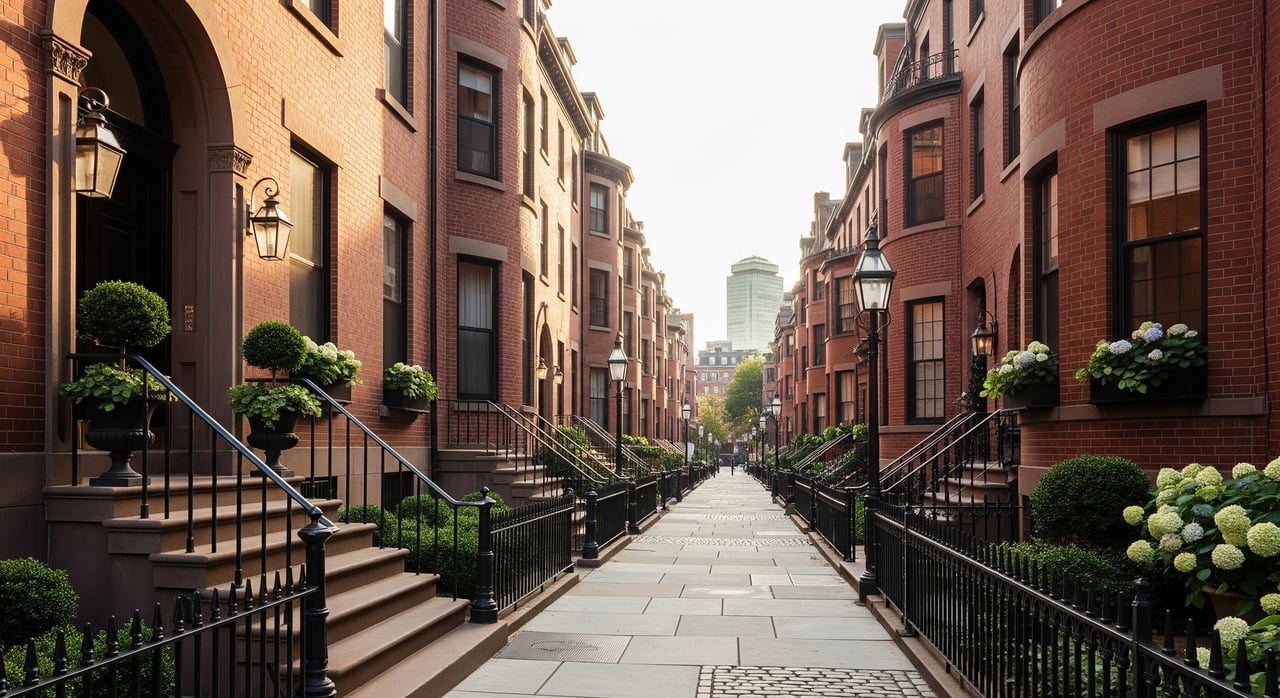
If you love brick stoops, gallery nights, and Saturday brunch, the South End might feel like it was made for you. You get tree‑lined streets, creative energy, and a central Boston address that keeps daily life simple. In this guide, you’ll learn how it feels to live here day to day, the housing styles you’ll find, and the practical tradeoffs to weigh before you buy. Let’s dive in.
South End snapshot and vibe
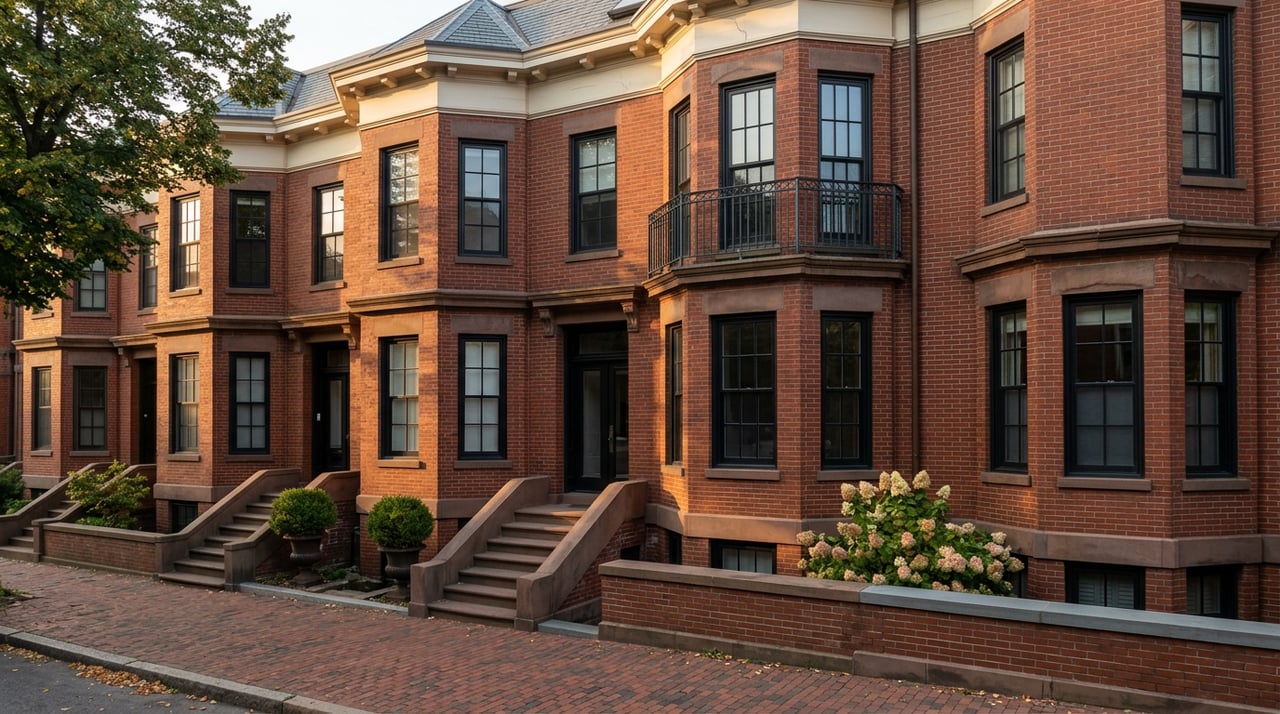
The South End sits just south and east of Back Bay, within easy reach of downtown, the Seaport, and Longwood/Fenway. It was built in the mid‑19th century and still showcases one of the country’s largest collections of Victorian‑era rowhouses.
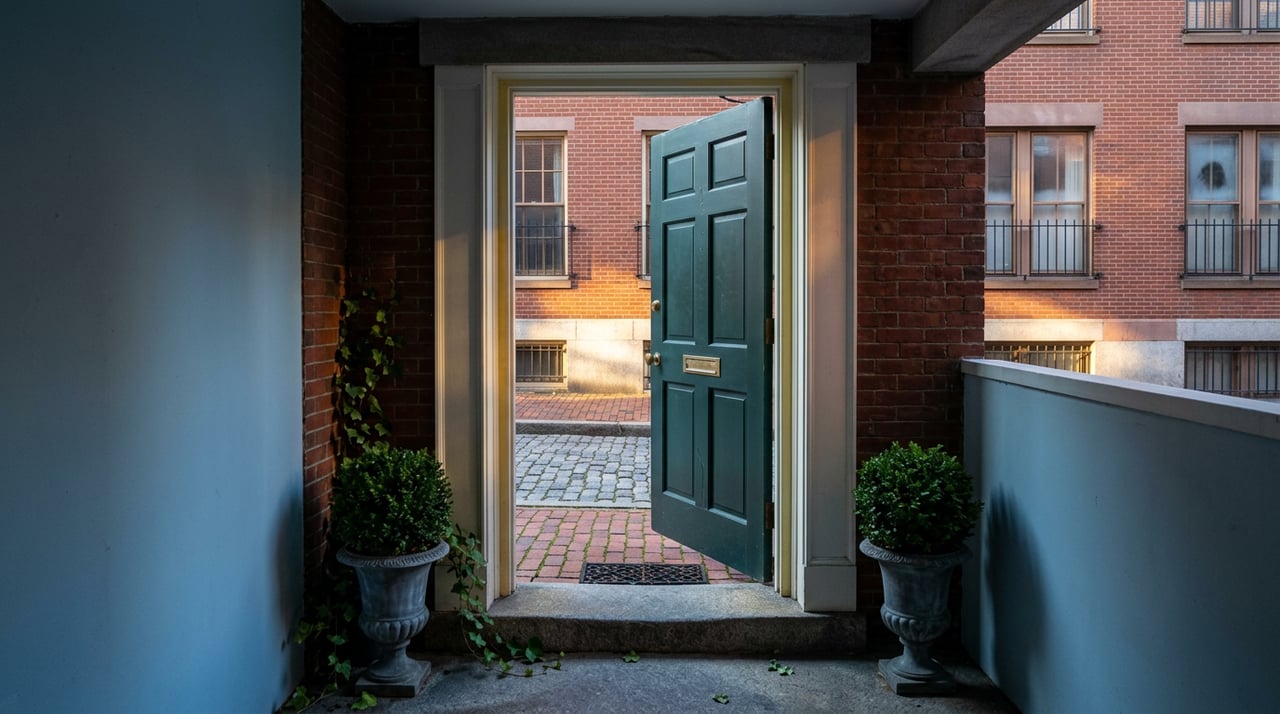
You’ll notice a mix of quieter residential squares and lively commercial corridors. Expect brick façades, ornate cornices, tall windows, and classic stoops on many blocks. A designated historic district shapes how exteriors are preserved and updated, which helps protect the neighborhood’s character.
Walkability and transit
Daily life is highly walkable. Cafés, boutiques, galleries, and services cluster along Tremont Street, Washington Street, and Harrison Avenue, so errands are quick and pleasant. Many residents commute on foot or by bike.
Transit access is strong. Depending on your block, you can reach Back Bay or South Station and several MBTA lines within a short walk. Car‑free living is realistic for many professionals.
Parking takes planning. Street parking is permit‑regulated, and off‑street spaces are limited and costly when available. If parking is essential, prioritize a unit that includes it.
Parks and green space
Greenery in the South End comes in small, historic parks and pocket gardens. Blackstone and Franklin Squares offer lawns, benches, and community gatherings right in the neighborhood.
For a longer stroll, you can reach the Commonwealth Avenue Mall in Back Bay or segments of the Emerald Necklace through adjacent neighborhoods. You get a balance of urban energy and places to relax outdoors.
Dining, cafés, and the SoWa scene
Food is a major draw. You’ll find everything from casual cafés and bakeries to chef‑driven bistros, with a strong brunch culture and contemporary American and Spanish‑influenced spots.
SoWa, short for South of Washington, is the area’s creative anchor. On weekends, the markets and seasonal events bring a festival feel, while galleries and design showrooms add a curated, design‑forward edge. Nightlife is present but focused along main corridors, keeping most residential streets quieter after hours.
Homes and architecture
You have three main housing experiences in the South End, each with its own feel and lifestyle.
Historic brownstones and rowhouses
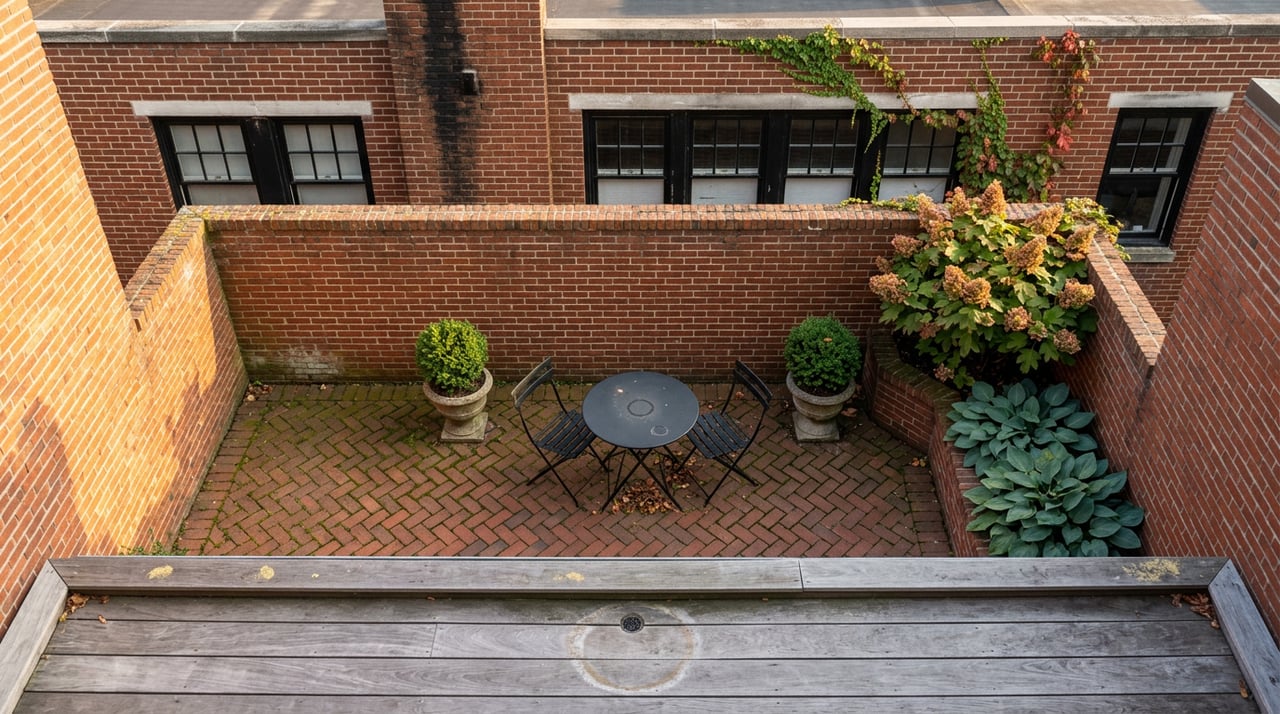
Many classic brownstones are now multi‑unit condos or single‑family townhouses. Inside, you may see original fireplaces, moldings, tall baseboards, and parlor‑level living rooms with high ceilings. Private gardens or roof decks are prized and can drive pricing.
Renovations often balance modern kitchens and baths with preserved historic details. Exterior changes typically require review due to the historic district, so plan ahead if you want to alter windows, stoops, or rooflines.
Lofts and mill conversions
Former industrial buildings, especially around SoWa, now offer loft condominiums. Expect open floor plans, exposed brick, tall ceilings, and flexible living and work zones that appeal to design‑minded buyers. Sound and HVAC systems vary by building vintage and renovation quality.
Modern condos and amenities
Newer mixed‑use and infill buildings add contemporary finishes and building services. You may find elevators, fitness rooms, doormen, and roof decks. Layouts often maximize natural light with open kitchens and large windows, a contrast to the vertical, floor‑by‑floor feel of classic townhouses.
What to budget for
The South End is one of Boston’s more desirable central neighborhoods, and prices generally sit above the citywide median. Well‑priced historic units and homes with private outdoor space can draw strong competition.
Monthly carrying costs vary. Condominiums often include HOA fees that reflect building size, services, and amenities. If your unit does not include parking, factor in the cost to rent or purchase a space nearby.
Practical tradeoffs to weigh
- Parking can be scarce and expensive. If you own a car, confirm the plan early.
- Storage is often tight in older buildings. Look for deeded storage or plan clever in‑unit solutions.
- Noise varies block by block. Proximity to dining corridors can add energy on weekends; modern construction tends to have better sound insulation.
- Historic exterior work usually requires approval. Build timing into your plans for window replacements, exterior painting, or rooftop projects.
Buyer checklist for the South End
- Confirm walkability and transit from your exact block to your work hubs.
- Ask about private outdoor space or access to a roof deck, patio, or garden.
- Review condo documents for budgets, reserves, rules, and any special assessments.
- Inspect foundations, roofs, drainage, chimneys, wiring, and plumbing in historic buildings.
- Check natural light, window condition, and whether renovations respect the home’s character.
- Verify parking options and monthly costs if not included.
Seller strategy that works here
The South End buyer is design‑conscious and lifestyle‑driven. Presentation matters. Focus updates on kitchens and baths, modern lighting, and paint that enhances natural light while keeping original details front and center.
Professional photos and staging help buyers imagine life here. Highlight proximity to cafés, galleries, and the SoWa district. If you have private outdoor space or a dedicated parking spot, feature those in the headline and pricing strategy, since they are major differentiators.
How it feels to live here
Weekdays are easy: coffee runs, quick errands, and short commutes. Evenings bring gallery openings, dinner dates, or a quiet jog through the neighborhood squares. Weekends shift to farmers markets, design browsing, and long brunches with friends.
If you value walkability, design, and a central location, the South End delivers a refined urban lifestyle without sacrificing neighborhood charm.
Ready to explore homes that fit your style, budget, and daily routine? Reach out to Victoria Pacella for a tailored tour plan and design‑forward guidance on South End listings.
FAQs
Is the South End walkable for daily errands and commuting?
- Yes. Many residents run errands on foot and reach major transit hubs like Back Bay or South Station with a short walk, making car‑free living realistic.
What types of homes are common in the South End?
- You’ll see Victorian brownstone condos and townhouses, loft conversions with open plans and exposed brick, and newer condo buildings with modern amenities.
How does parking work in the South End?
- Street parking is permit‑regulated, and off‑street spaces are limited and often costly. If you need a space, target a unit that includes assigned parking.
Are there parks and green spaces nearby?
- Yes. The neighborhood features historic squares like Blackstone and Franklin, plus easy access to larger green areas in adjacent neighborhoods.
What should I look for during inspections in a historic unit?
- Focus on foundations, roofs, drainage, chimneys, and the condition of older wiring, plumbing, plaster, and windows, along with permits for any updates.
Do historic district rules affect renovations?
- Exterior changes, such as window replacements or stoop and roof work, often require review and approval. Plan timing and scope accordingly.