Are you comparing two condos in Back Bay and wondering why the monthly fees are so different? You’re not alone. In a neighborhood with historic brownstones and luxury towers side by side, fees can vary widely based on what they include and how the building is run. In this guide, you’ll learn what condo fees typically cover, why they vary by building type, and how to evaluate them so you can buy with confidence. Let’s dive in.
What condo fees usually cover
Condo fees fund the building’s shared costs. Exact line items vary by association, but most budgets fall into several categories.
Operating and upkeep
These are the day-to-day expenses. They often include cleaning and janitorial service for common areas, snow removal, landscaping, and routine repairs. Utilities for shared spaces and systems, like hallway lighting, elevator electricity, and common area water, are also typical. Professional management, accounting, and legal fees can be part of this bucket.
Insurance and protection
Associations carry a master insurance policy that covers the building structure and common elements. The specific scope varies by policy. Owners usually insure interior finishes and personal property with an HO-6 policy. Pay attention to master policy deductibles because large deductibles can lead to owner assessments after a covered loss.
Reserves and capital projects
Healthy associations contribute to a reserve fund for big-ticket items like roof replacement, façade work, boilers, and elevator modernization. A well-funded reserve lowers the risk of special assessments.
Utilities and services sometimes included
Some Back Bay buildings include heat and hot water, especially where a central boiler serves the units. Water and sewer are often included. In larger buildings, you may also see bulk cable or internet contracts.
Amenities and extras
Fitness rooms, pools, concierge services, doorman staffing, roof decks, garage operations, storage rooms, and package management all add cost. These features may be worth it if you plan to use them.
Why Back Bay fees vary
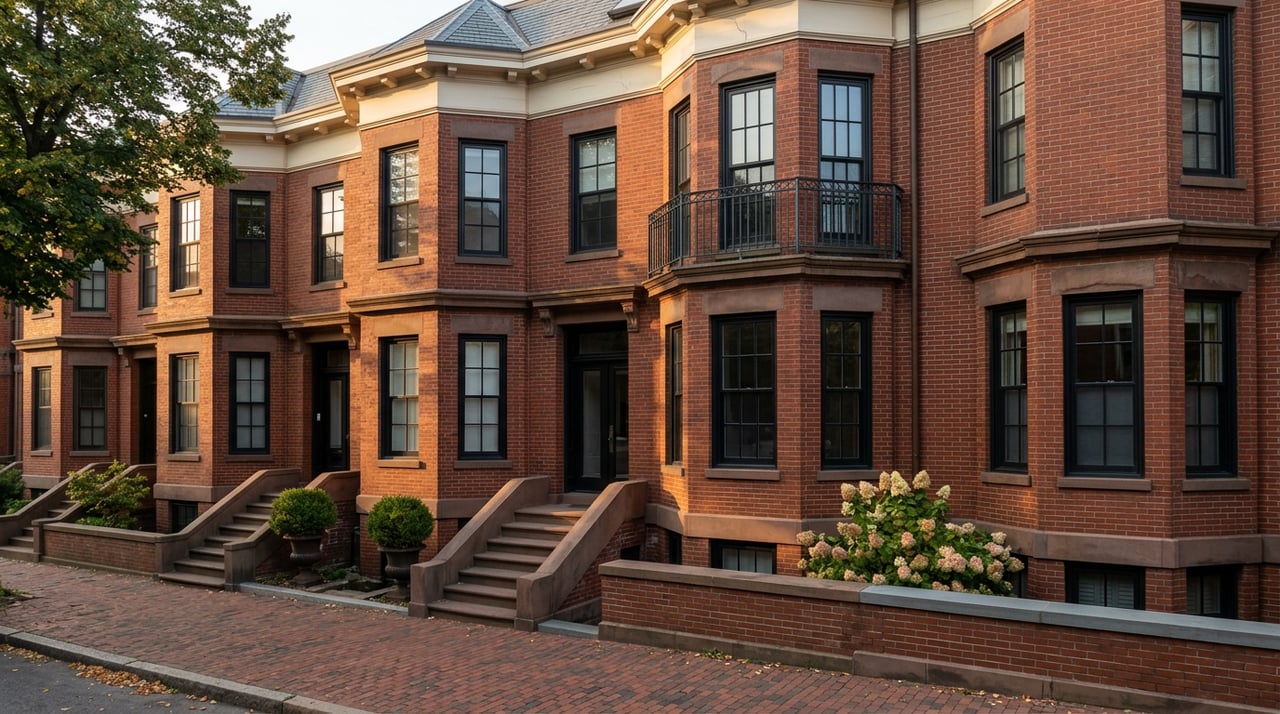
Back Bay offers a mix of historic and luxury properties. Building type and services drive most fee differences.
Brownstones and small associations
Smaller, often self-managed associations tend to have lower monthly dues. Fees usually cover exterior maintenance, shared insurance, snow removal, and reserves. Utilities are more often metered to each unit. Reserves can vary, and smaller associations have fewer owners to share large capital costs.
Converted historic mid-rises
These buildings may have elevators and central systems. Fees are mid-range because there are more shared elements to maintain. Some include heat and hot water. Reserve strength can vary depending on governance and past capital projects.
Full-service high-rises
Expect higher fees where there is 24/7 concierge or doorman coverage, on-site management, and amenities like fitness centers, pools, and valet or garage parking. Staffing and insurance are major line items in these buildings, which often have more robust reserves and steadier financial planning.
Key cost drivers to watch
- On-site staffing, such as concierge or doorman coverage
- Inclusion of heat, hot water, and other central utilities
- Parking operations and insurance for garages
- Building age and the condition of roofs, masonry, boilers, and elevators
- Level of amenities and associated maintenance
- Professional management costs vs. volunteer board administration
- Number of units sharing the budget and any recent capital projects
How to evaluate fees before you buy
You want a clear picture of what you’ll pay today and what might be coming next. Ask for documents and scan for signals of financial health.
Documents to request
- Most recent annual budget with line items
- Year-to-date financials and a balance sheet showing reserve balance
- Reserve study or capital improvement plan
- Board meeting minutes for the past 12 to 24 months
- List of any current or planned special assessments and history of past assessments
- Master insurance certificate and summary of coverage and deductibles
- Master deed, bylaws, and house rules, including any rental or renovation rules
- Estoppel or resale certificate showing the unit’s fee status and any arrears
- Management contract if a professional company is engaged
What to analyze
- Reserve adequacy: Compare reserve balance and planned projects. Low reserves with aging systems are a red flag.
- Assessments vs. increases: Frequent special assessments or steep annual fee jumps deserve scrutiny.
- Delinquency rate: High owner delinquency can strain the budget and increase risk of assessments.
- Insurance gaps and deductibles: Large master deductibles can become owner obligations after a covered loss.
- Litigation: Ongoing lawsuits may lead to higher costs and assessments.
- Utility allocation: Know exactly which utilities are in the fee and which are metered separately.
Red flags
- Very low reserves paired with aging building systems
- Repeated or recent special assessments for urgent repairs
- Significant owner delinquencies in the financials
- Major litigation or contractor claims disclosed in minutes
- Fee increases that outpace normal operating cost inflation
Budgeting your real monthly number
Your monthly housing cost is more than principal and interest. Build a full picture before you make an offer.
- Mortgage principal and interest
- City of Boston property tax
- Monthly condo fee
- Utilities not covered by the fee
- HO-6 insurance for interior finishes and personal property
- Parking if not included
- A contingency for capital work if reserves are uncertain
If heat and hot water are included, ask how the association budgets for fuel cost swings to help you plan.
For local tax information, you can review the City of Boston’s property tax resources to understand how assessments and bills work. You can find those details within the city’s official assessing pages, such as the City of Boston property tax information.
Massachusetts rules to know
Condominium governance in Massachusetts is set by the Massachusetts Condominium Act. Documents like the master deed, bylaws, and rules control how the association operates, owner rights, and how assessments are allocated. Associations can levy special assessments for expenses not covered in the annual budget. Unpaid assessments can become a lien on the unit. A Massachusetts real estate attorney should review the documents during your due diligence.
Reserve studies are a best practice recommended by industry groups and help associations plan for future capital needs. Many Back Bay buildings perform them, though funding levels vary in practice.
For legal basics, see the Massachusetts Condominium Act and consumer guidance from the state. These resources outline your rights, typical disclosures, and how associations manage budgets and reserves.
Back Bay specifics: parking and flood
Parking is scarce in Back Bay. If a building includes garage parking, operations and insurance can push fees higher. If parking is separate, factor the monthly lease or maintenance cost into your budget.
Back Bay’s proximity to the Charles River and the Back Bay Fens means flood risk planning is a consideration for some buildings. Ask whether the association carries flood insurance and how risk is managed. Standard policies often exclude flood, so this is worth confirming.
Smart questions to ask at showings
- What does the monthly fee cover line by line? Which utilities are included?
- What is the current reserve balance, and when was the last reserve study done?
- Have there been special assessments in the last 5 years? Are any planned?
- What is the 3 to 5 year history of fee increases?
- What percentage of owners are current on dues?
- Are there any ongoing lawsuits or pending claims?
- Is there professional management on site or via a company? What are the fees?
- Are parking and storage included or billed separately, and what are the typical costs?
- What does the master insurance policy cover, and what is the deductible?
How Pacella & Co. supports your decision
You deserve clear answers before you commit. We help you compare buildings across Back Bay, frame the true monthly cost, and gather the right documents so your attorney can review them. Our design-forward perspective also helps you weigh amenity value and potential upgrades, especially in historic properties where thoughtful improvements matter.
If you want a calm, organized process from tour to close, reach out. We’ll help you translate fees into a clear budget, evaluate tradeoffs between brownstones and full-service towers, and move you toward the home that fits your lifestyle.
Ready to talk next steps? Connect with Pacella & Co. for a friendly, no-pressure consultation.
FAQs
What do Back Bay condo fees usually include?
- Most fees cover common-area utilities, cleaning, routine maintenance, shared insurance, and reserve contributions. Some buildings include heat, hot water, or amenities like concierge and fitness rooms.
Why are fees higher in full-service buildings?
- Staffing and amenities drive costs. A 24/7 concierge, on-site management, garage operations, and larger insurance policies add significant operating expenses.
How can I avoid surprise special assessments?
- Review the reserve study, reserve balance, recent board minutes, and the history of assessments and fee increases. Ask about planned projects and timelines before you buy.
Are heat and hot water included in Back Bay condos?
- Many older buildings with central boilers include heat and hot water in the monthly fee, but not all do. Confirm what is included in each association’s budget.
What legal documents should I review in Massachusetts?
- Request the master deed, bylaws, house rules, the annual budget, financials, reserve study, insurance summary, meeting minutes, and an estoppel or resale certificate for the unit.
How do property taxes factor into my budget?
- Add City of Boston property tax to your mortgage and monthly fee, plus any utilities not covered and your HO-6 policy. Check the city’s assessing resources for how tax bills are calculated and paid.
Massachusetts Condominium Act | City of Boston property tax information