Love the idea of a Beacon Hill brownstone but not sure whether a condo or a co-op fits your lifestyle. You want historic charm and smart design choices, yet you also need clarity on financing, board approvals, renovations, and resale. In this guide, you will learn the key differences between condos and co-ops in Beacon Hill so you can buy with confidence. Let’s dive in.
Beacon Hill housing basics
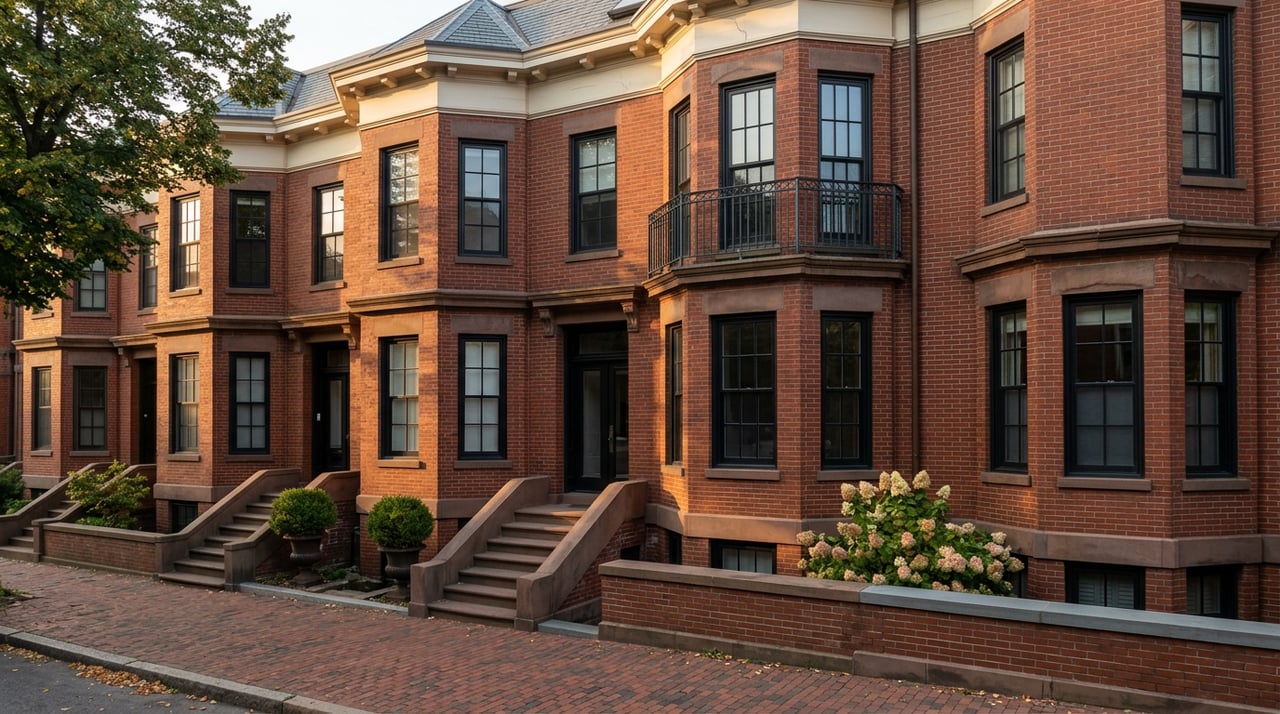
Beacon Hill is one of Boston’s oldest neighborhoods, known for brick rowhouses, brownstones, and converted multi-unit buildings. Many buildings date to the 19th century, so you will see full-floor flats, junior-one and one-bed layouts, and duplexes with parlor-level living. Expect older building systems and limited elevator access in smaller buildings. Much of the neighborhood sits in a municipal historic district, so exterior changes typically require review by the local historic commission.
Ownership: condo vs co-op
Condos give you fee simple title to your unit plus a share of common areas. You pay your own real estate taxes and mortgage, and you contribute a monthly HOA fee for building insurance, maintenance, and reserves. Owners usually have more direct control over financing and typical tax reporting.
Co-ops are owned by a corporation, and you purchase shares in that corporation. Your shares grant a proprietary lease for your specific unit. Monthly maintenance often covers the building’s mortgage, real estate taxes, utilities, staff, insurance, and operating costs. Transfers and major decisions run through the co-op board.
In Beacon Hill, many brownstones were converted into either condos or co-ops. Legacy items like shared mechanicals or an underlying building loan can affect monthly fees and approvals. Always review the governing documents before you commit.
What to request from the seller or manager
- Condo: master deed, declaration, bylaws, trust documents, HOA budget, reserve study, recent meeting minutes, insurance certificates, rules and regulations, special assessment history.
- Co-op: proprietary lease, bylaws and articles, shareholder ledger, audited financials, underlying mortgage details, house rules, meeting minutes, transfer and approval policies.
Financing and down payments
Condo financing follows conventional mortgage guidelines and is widely available. Lenders may review project factors like owner-occupancy ratios, delinquencies, reserves, and any pending litigation. FHA and VA options are more commonly available for condos, provided the project meets program requirements.
Co-op financing uses share loans that are secured by your shares and proprietary lease. Fewer lenders specialize in co-ops, and underwriting can be stricter. Co-op boards often expect higher down payments. Policies of 20 to 30 percent are common, and some buildings look for 25 to 50 percent depending on the building’s finances. Boards may also require proof of cash reserves to cover several months of maintenance.
Tip: Speak with a lender that regularly finances Boston co-ops and condos early. Ask about building-level requirements, pre-approval timelines, and any board forms you should gather.
Board approvals and timelines
Co-ops almost always require board approval for buyers. The process often includes a full application, financial statements, tax returns, letters of reference, and an interview. Boards can apply subjective criteria and evaluate overall fit, so you should plan ahead.
Many condo associations do not require board approval for purchases. If any application is needed, it is typically for building records and billing. The process is usually more straightforward than a co-op interview.
Renovations and historic rules
For interior work, condos tend to be more flexible, subject to building rules and city permits. Owners can usually schedule contractors and pull permits with fewer layers of approval, especially for in-unit updates that are not structural.
Co-ops often require a formal renovation submission. Expect contractor insurance requirements, construction hours, security deposits, and approvals for any work that touches structural or building-wide systems.
No matter the ownership type, Beacon Hill’s historic district rules apply to exterior changes. Windows, doors, facades, and rooflines typically require municipal review. Design-conscious buyers should confirm feasibility before budgeting for visible alterations.
Rentals and short-term use
Co-ops commonly restrict subletting, and many do not allow short-term rentals. Some co-ops permit limited sublets after a residency period, and all leases typically require board approval.
Condo policies vary by building. Many associations limit or prohibit short-term rentals. In addition, Boston has citywide rules for short-term rental registration and compliance. Always verify municipal regulations and building rules early if rental flexibility is important to you.
Monthly costs and taxes
Co-op maintenance fees usually include the building’s mortgage payment if one exists, real estate taxes, utilities, staff, insurance, and operating costs. These fees can look higher at first glance, but many core expenses are centralized within the maintenance line.
Condo HOA fees typically cover common area maintenance, exterior insurance, reserve funding, and any shared utilities. You handle your own mortgage and real estate tax bills separately.
For taxes, condo owners receive their own interest and property tax statements. Co-op shareholders may deduct their share of real estate taxes and sometimes their share of building mortgage interest if the co-op provides appropriate statements. Since tax rules are nuanced, consult a tax professional familiar with Massachusetts co-ops.
Resale and exit strategy
Condos often draw a broader buyer pool, including more financing options and potential investors where permitted. This can create more liquidity when you decide to sell.
Co-ops may have a narrower buyer pool due to board approvals and fewer lender options. Resale can take longer in some cases, and price dynamics may differ compared to similar condos. Review recent sales in your building and nearby to set realistic expectations.
Quick due diligence checklist
- Title structure: fee simple deed for condos, shares plus proprietary lease for co-ops.
- Monthly fee coverage: confirm what maintenance or HOA includes, such as taxes, underlying mortgage, utilities, staff, and reserves.
- Building debt: ask about any underlying co-op mortgage or planned special assessments in condos.
- Approval process: understand buyer approval steps and timelines, plus renovation approval procedures.
- Historic rules: verify exterior restrictions and whether your planned changes need municipal approval.
- Financing: confirm lender options for this specific building and any project-level criteria.
- Reserves and assessments: review reserve fund balances, audited financials, and recent meeting minutes.
- Rental rules: verify sublet and short-term rental policies and any city requirements.
- Access and logistics: note elevator access, delivery constraints, and contractor staging in narrow streets and staircases.
Which fits your lifestyle
Choose a condo if you want more straightforward financing, simpler purchase approvals, and flexibility for in-unit updates. Condos can suit buyers who value a wider resale audience and potential rental options where allowed.
Choose a co-op if you prefer a more controlled building culture, centralized monthly costs, and you are comfortable with higher down payment expectations and board approvals. Co-ops can be a fit for buyers who want predictability in house rules and long-term stewardship of the property.
Design-forward tips for Beacon Hill
- Plan early for visible changes. If you are considering new windows, a restored entry door, or roof work, confirm historic approvals before you hire a designer.
- Budget for older-building surprises. Electrical panel upgrades, lead or asbestos surveys, and structural considerations are common in historic stock.
- Map your renovation timeline. Align board or HOA approvals, contractor scheduling, and city permits so you can phase work efficiently.
- Coordinate access and delivery. Many buildings have no elevator and narrow staircases, so plan for protective coverings and careful staging.
Ready to compare specific buildings or want a second set of eyes on bylaws, minutes, and renovation rules. Connect with Victoria Pacella for design-savvy guidance, curated lending referrals, and a clear plan from offer to close.
FAQs
What is the core difference between a Beacon Hill condo and co-op
- A condo gives you fee simple title to your unit plus common areas, while a co-op gives you corporate shares and a proprietary lease tied to a specific apartment.
How do co-op board approvals work in Beacon Hill
- Co-ops typically require a full application, financial review, reference letters, and an interview, and the board has discretion to approve or deny buyers.
What down payment should I expect for a Beacon Hill co-op
- Many co-ops look for 20 to 30 percent down, and some may expect 25 to 50 percent based on building policies and underlying debt.
Can I renovate a Beacon Hill condo or co-op unit
- Condos usually offer more in-unit flexibility with permits and building rules, while co-ops often require detailed board approvals and added oversight for structural or system changes.
Are short-term rentals allowed in Beacon Hill buildings
- Many co-ops prohibit short-term rentals, and condo rules vary, while Boston also requires city compliance and registration for short-term rental activity.
What do monthly fees cover in condos vs co-ops
- Co-op maintenance often includes the building’s mortgage, taxes, utilities, staff, and insurance, while condo HOA fees typically cover common area costs and reserves, with owners paying their own taxes and mortgage.