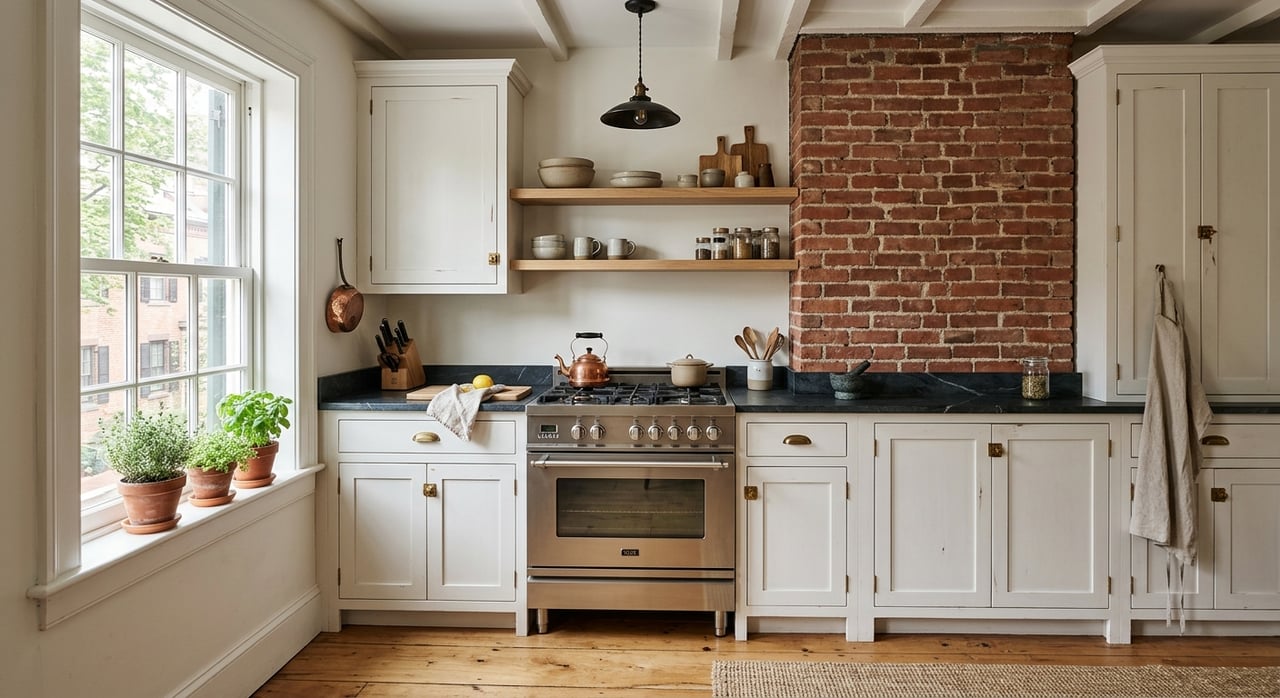
Thinking about updating a Beacon Hill home? In one of Boston’s most recognizable historic neighborhoods, a smart renovation is not just about good design. It is about knowing what you can change, what needs approval, and how to improve daily living without fighting the building’s original character. If you want a project that feels polished, practical, and resale-conscious, this guide will help you understand the right way to approach it. Let’s dive in.
Start With Historic Review
In Beacon Hill, renovation decisions often begin with the Beacon Hill Architectural Commission, or BHAC. The district is the oldest historic district in Massachusetts, and the city reviews exterior work that is visible from a public way. That visibility standard includes views from places like Boston Common, the Public Garden, Storrow Drive, the Charles River Esplanade, and the Longfellow Bridge.
That means you should not start exterior work or purchase materials before approval if your project falls under BHAC review. The city also requires an approval placard to be displayed during construction. Once issued, a Certificate of Appropriateness is valid for two years.
What BHAC Usually Reviews
BHAC focuses on exterior changes that can be seen from a public way. In practical terms, that can include windows, doors, roofs, trim, lighting, rooftop elements, and other visible exterior details. If your update changes the outside appearance, historic review is likely part of the process.
By contrast, many interior-only renovations are typically handled through Boston building and trade permits, not BHAC, unless they affect exterior-visible elements. A kitchen refresh, bathroom renovation, or added storage inside the existing walls may be more straightforward if it leaves the exterior untouched.
Resolve Zoning Before Historic Review
If your project changes square footage, height, enclosed space, legal use, or rooftop construction, zoning issues may need to be addressed before BHAC will formally review the application. This is an important early checkpoint, especially for owners hoping to expand upward or rework rooftop areas.
For many Beacon Hill properties, that reality shapes the renovation strategy from day one. The cleanest path is often to improve what is already there rather than push the envelope outward or upward.
Focus on Updates Inside the Existing Envelope
The most successful Beacon Hill renovations usually work with the home, not against it. Historic guidelines favor repair over replacement, in-kind materials, and reversible changes where possible. For homeowners, that often makes interior reconfiguration, better storage, and refined kitchen or bath updates the most compatible choices.
This approach also tends to fit the way Beacon Hill homes actually live. Rooms can be compact, circulation can be tight, and every inch matters. Thoughtful planning can make a home feel more functional without requiring major exterior change.
Why Interior Improvements Often Make Sense
In many Beacon Hill homes, improving layout is more realistic than expanding structure. Built-ins, custom storage, cabinetry updates, and selective fixture changes can make a noticeable difference in daily life while respecting the home’s historic shell.
For sellers, these updates can also tell a better story when it is time to list. Buyers in Beacon Hill often respond well to homes that feel carefully improved rather than overworked. A renovation that looks tailored to the property’s age and proportions tends to read as more valuable and more believable.
Kitchen and Bath Permits in Boston
Boston distinguishes between a short-form permit and a long-form permit for kitchen and bath work. A short-form permit may apply when you are renovating an existing room without structural changes. A long-form permit may be required if you are moving walls or adding or changing egresses, windows, or door openings.
Plumbing, electrical, and sheet-metal work require licensed contractors. That is one reason many Beacon Hill owners choose updates that improve finish, function, and flow without turning a contained renovation into a larger structural project.
Preserve Character Through Materials
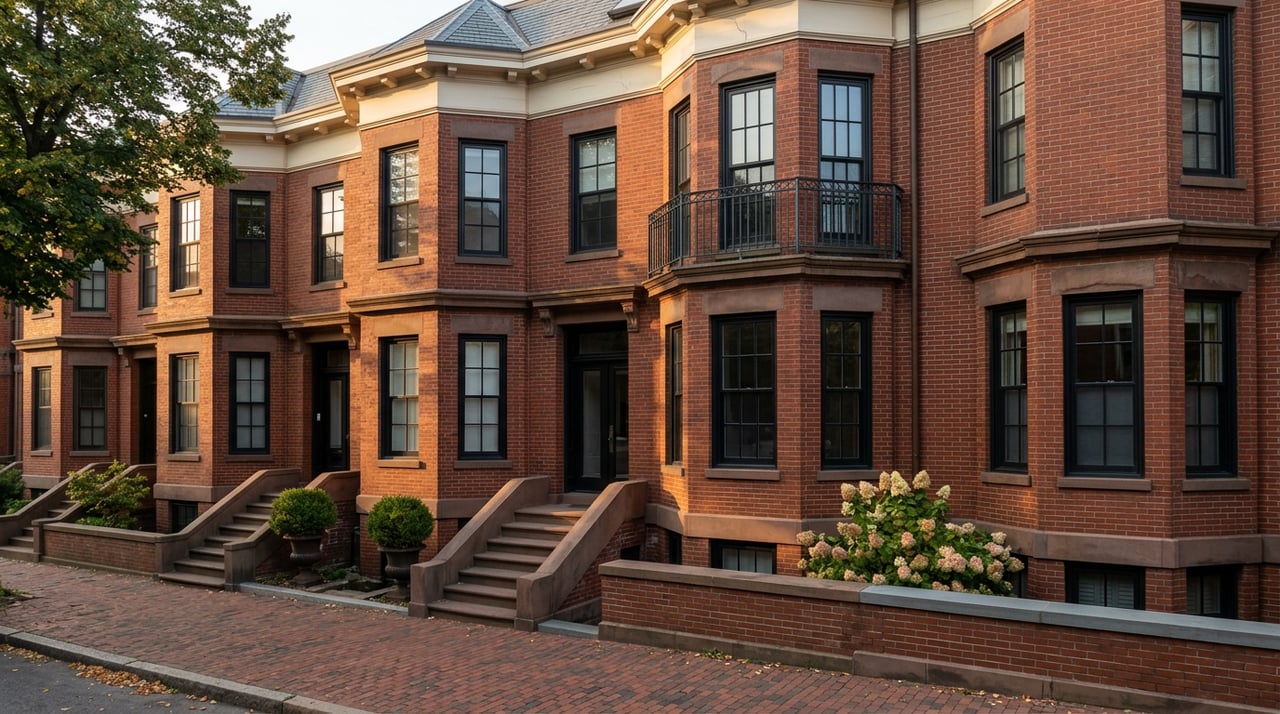
In Beacon Hill, materials matter as much as layout. The neighborhood’s historic character comes through in masonry, windows, doors, trim, and paint choices. When those elements are handled well, the home feels elevated. When they are handled poorly, the result can look out of place fast.
A design-forward renovation here is usually a restrained one. The goal is not to make the home look new. It is to make it look well cared for, appropriate, and quietly improved.
Masonry Requires a Light Touch
Beacon Hill’s masonry guidelines are strict. Cleaning is discouraged unless it is necessary, sandblasting is prohibited, and water-repellent coatings are discouraged. Brick should not be painted unless there is evidence that it was originally painted.
If repointing is needed, the mortar should match the original in color and joint profile. These details may seem small, but on a Beacon Hill facade, they have an outsized impact on how authentic the finished work feels.
Windows Are Highly Regulated
Windows are one of the most closely reviewed exterior elements in Beacon Hill. Original sash, frames, brick molds, lintels, and sills should be retained when possible. Vinyl-clad sash and metal cladding are not permitted, and the guidelines call for true divided lights with through-glass muntins rather than simulated versions.
Clear, non-tinted glass is preferred, and combination storm windows may be allowed when they have minimal visual impact. If window replacement is part of your plan, this is an area where early research and the right contractor team matter.
Doors, Entries, and Exterior Details
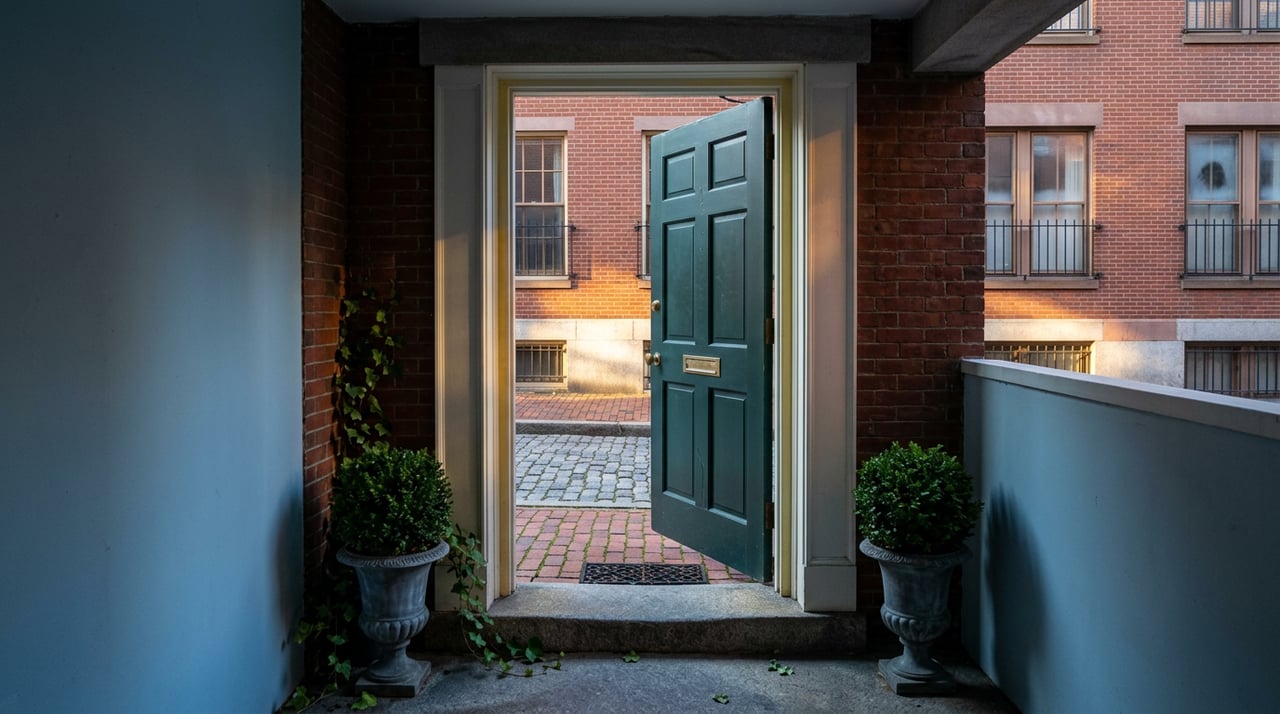
The same repair-first thinking applies to doors and entry details. Paneled doors are standard in the district, while flush or metal-clad doors are not permitted. Historic surrounds and hardware should be retained where possible, and exterior lighting should stay in traditional locations.
Even entry technology is expected to fit the setting. The guidelines prefer flush-mounted buzzer and intercom panels with brass or bronze faces, and they do not allow backlit panels. These are the kinds of details that protect the rhythm of the streetscape.
Be Careful With Roofs and Exterior Additions
Some of the most requested upgrades in city homes are also the hardest to achieve in Beacon Hill. Roof decks and deck enclosures that are visible from a public way are considered inappropriate. New roof access structures should be low-profile and not visible from a public way.
HVAC, solar, and similar equipment also need to be installed so they are not visible from a public way. If your wish list includes rooftop use or visible exterior additions, it is important to understand early that these ideas face a much higher bar.
For many owners, that means redirecting the budget toward interior quality, storage, finish upgrades, and systems that improve comfort without changing the public-facing character of the building.
Improve Efficiency Without Losing Character
Older homes can absolutely benefit from energy-conscious updates. Boston’s resilient historic building guidance supports weatherization steps with minimal visual impact, such as interior storm panes, low-e glass that looks similar to existing glass, invisible films, and caulking around window frames.
These are useful options for owners who want better comfort and efficiency while staying consistent with a historic property. They can also be easier to integrate into a broader renovation plan than a full exterior replacement approach.
The same guidance notes that critical mechanical systems may need to be moved above flood elevation in vulnerable buildings. For certain properties, resilience planning may be part of the long-term upgrade conversation, even if the work is mostly behind the scenes.
Choose Contractors and Permits Carefully
Good Beacon Hill renovation outcomes are not just about design taste. They also depend on the people doing the work and the paper trail behind it. Boston recommends using a licensed contractor, and businesses doing residential work on existing one- to four-unit owner-occupied homes must be registered as Home Improvement Contractors with the state.
That matters because many kitchen and bath projects involve several trades. Boston also states that only contractors with valid Massachusetts trade licenses may apply for plumbing, electrical, or sheet-metal permits.
Protect Yourself With the Right Contract
For home improvement jobs costing $1,000 or more, Boston says a written contract is required. The contract should list the scope of work, materials, price, schedule, and contractor information. The city also warns against paying more than one-third upfront.
This kind of documentation is not just administrative. It helps keep your project organized, your expectations clear, and your investment better protected.
File a Complete Application
BHAC applications are filed online and should include existing-condition photographs and supporting documents. Incomplete applications cannot be added to a hearing agenda, and complete applications must be submitted 15 business days before the hearing. If zoning review is needed, that should be resolved before historic review.
For owners planning around a move, a sale, or a seasonal timeline, these process details are worth building into the schedule early.
Think About Resale While You Renovate
If you own in Beacon Hill, renovation choices can affect not only how you live, but also how your home is perceived when you sell. The strongest renovation story is usually one that shows respect for the property, compliance with the right approvals, and a thoughtful design point of view.
That story is easier to tell when you have a clear record of historic approval where required, the correct Boston permits, and a registered contractor team. Boston notes that unpermitted work can create safety and legal issues, affect insurance, and make a later sale harder.
For buyers, this same principle matters during due diligence. A beautiful update means more when it was done with the right approvals and with materials that suit the building.
In a neighborhood like Beacon Hill, presentation and process go hand in hand. The homes that stand out are usually the ones that feel carefully edited, historically aware, and easy to trust.
If you are thinking about buying, selling, or updating a Beacon Hill property, working with someone who understands both design and market positioning can make the next step clearer. For tailored guidance on what improvements make sense for your home and your goals, connect with Victoria Pacella.
FAQs
Do Beacon Hill interior renovations need historic approval?
- Usually not if the work is fully interior, but BHAC review may be needed if the project affects exterior-visible elements such as windows, doors, roofs, or rooftop equipment.
Can you replace windows in a Beacon Hill home?
- Yes, but the replacement must match the historic appearance, and Beacon Hill guidelines are strict about materials, divided lights, and visual details.
Are roof decks allowed on Beacon Hill homes?
- Roof decks and deck enclosures that are visible from a public way are considered inappropriate under Beacon Hill guidelines.
What permits do Beacon Hill kitchen and bath renovations need?
- Boston may require a short-form permit for renovating an existing room without structural changes, or a long-form permit if walls, egresses, windows, or door openings are being added or moved.
How long does Beacon Hill historic approval last?
- A Certificate of Appropriateness is valid for two years.
Why do permits matter when selling a Beacon Hill home?
- Boston warns that unpermitted work can create safety and legal issues, affect insurance, and make a later sale harder.