The Beacon Hill Times reported that the Beacon Hill Architectural Commission held its regular monthly hearing over Zoom on the evening of February 19, 2026. In the space of roughly four hours, the same five commissioners approved a carved wood sign for an incoming pizzeria on Charles Street, signed off on new blade signs and awnings for a French skincare boutique moving into the block, and unanimously denied, without prejudice, a five-story mixed-use redevelopment proposed for the CVS site at Charles and Cambridge. Three items. Two approval outcomes. One meeting.
That range is the thing most buyers, sellers, and even some contractors miss about renovating on Beacon Hill. The historic district rules themselves are published and knowable. What catches people off guard is that the approval process doesn't run on one clock. It runs on at least two, and if you own a condo, sometimes three, and none of them are synchronized to each other or to your listing date.
Two Tracks, One Meeting Night
City of Boston says the Beacon Hill Architectural Commission meets on the third Thursday of every month to consider proposed exterior changes visible from a public way. That includes views from the Boston Common, the Public Garden, Storrow Drive, the Charles River Esplanade, and the Longfellow Bridge, which means even a rear elevation can fall under review if it's visible from the right angle.
But not every application moves at the same speed. The commission runs two parallel tracks through that single monthly hearing.
| Track | What Qualifies | What It Means for Your Timeline |
|---|---|---|
| Administrative Review | The City of Boston describes administrative review for minimal-impact maintenance and repair. | Delegated to commission staff ahead of the hearing; ratified at the monthly hearing |
The February hearing is a clean illustration. The pizzeria sign and the boutique's awnings moved through as design review items that were approved as submitted in a single pass, no resubmission needed. The CVS redevelopment, by contrast, came back denied without prejudice A project architect at that hearing described the proposed massing as including a long cantilever facing Cambridge Street, the kind of ambitious departure from existing scale that invites exactly this outcome.
If you're planning a sale and the work is cosmetic, the administrative track can move in a single cycle. If the work is more extensive or unfamiliar, identify the applicable review path early.
What the Commission Actually Vetoes
People assume historic district review is mostly about whether you can build something new. On Beacon Hill, the far more common friction point is smaller and more specific: windows.
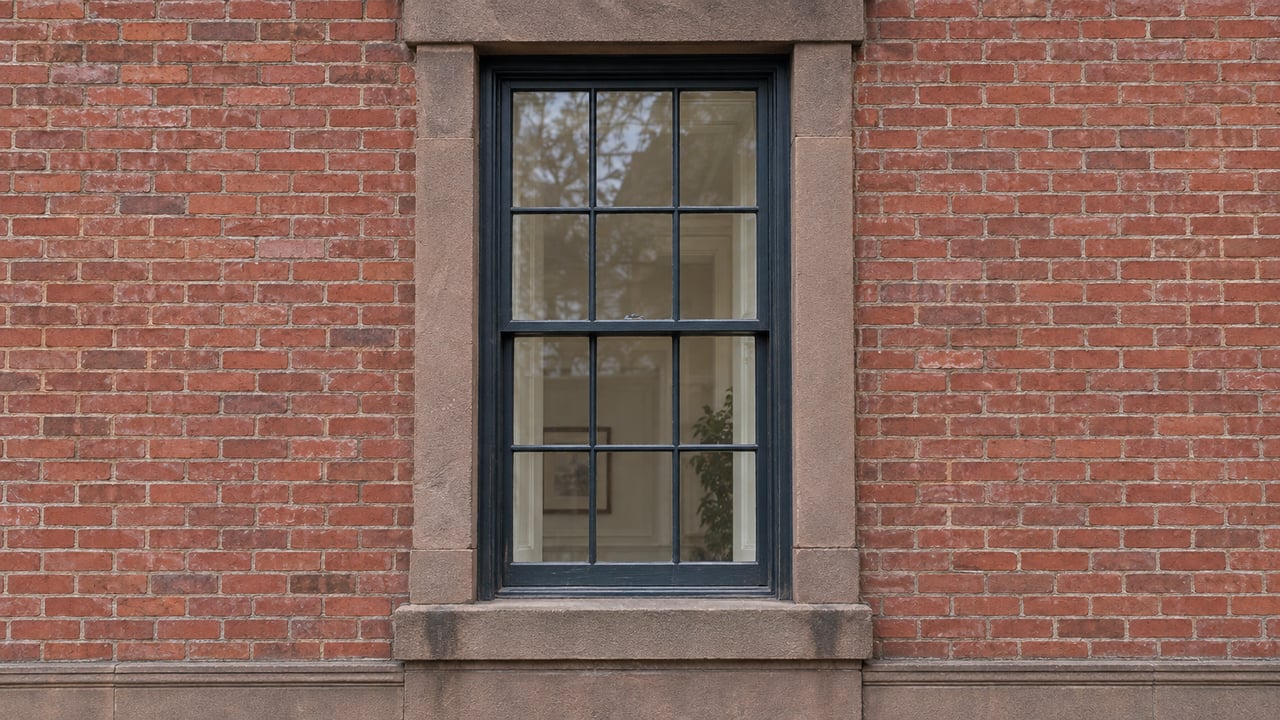
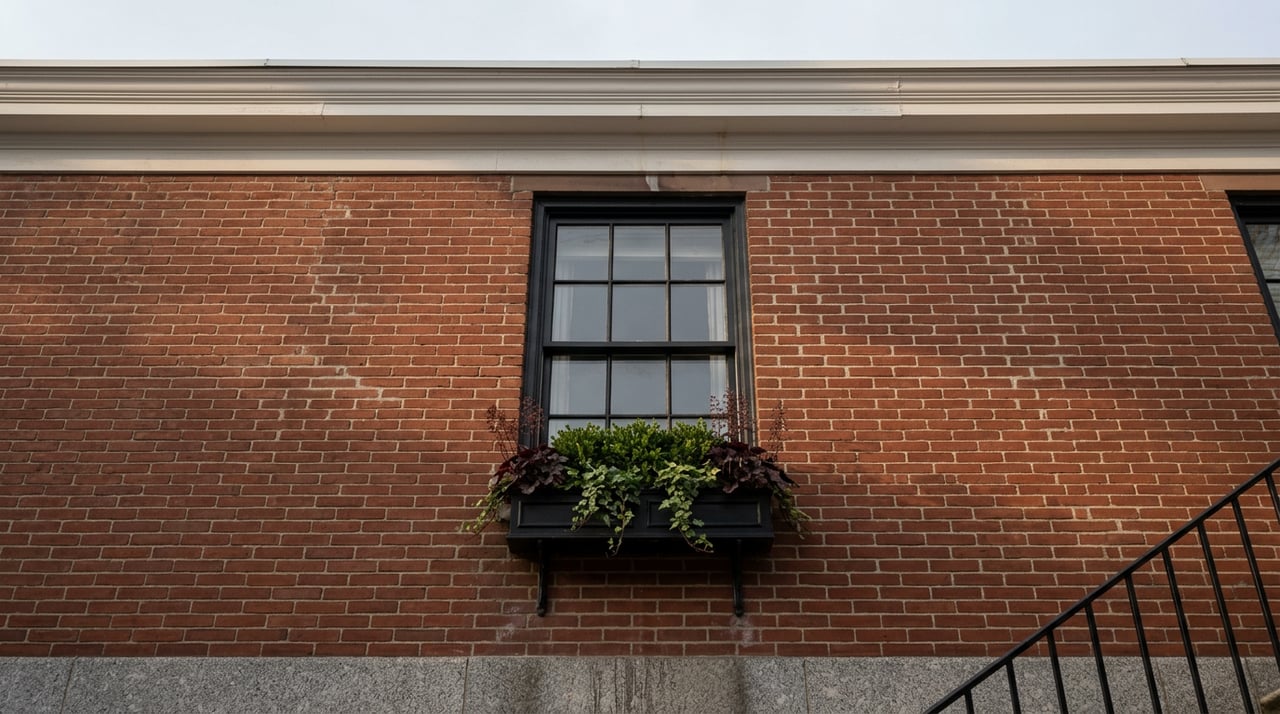
The Beacon Hill Architectural Commission guidelines require true divided lights on replacement windows, meaning the muntins that divide the panes have to be real, not simulated or snapped onto the glass surface. Low-E glass is the energy-efficient coating standard in most new construction. As Window Authority puts it, window sashes are expected to be painted in dark tones, "usually black or Roxbury Russet."
Recent hearings show how granular this gets in practice. A 2026 application for 107 Charles Street specified true divided light replacement sash with spacer bars matched to the color of the window frame, floor by floor, elevation by elevation. Another for 43 Mount Vernon Street covered eleven non-historic sash sets at the penthouse dormers alone. At 13 Louisburg Square, an application to repaint shutters didn't just say "black." It specified Benjamin Moore Black 2132-10, matched exactly to what already existed.
None of this is arbitrary. It's the mechanism that keeps the Hill looking the way it does, brick facades, black ironwork, consistent window proportions block to block. But for a seller trying to get a listing photo-ready, it means the window specifications matter when choosing a contractor.
The Two-Year Countdown
Once you clear the commission, the Certificate of Appropriateness is valid for two years from the date of approval. That sounds generous until you map it against a real renovation timeline.
Say a seller gets exterior window approval in January, planning to use the summer to finish interior staging work before listing in the fall. If the contractor's schedule slips, or if the seller decides to hold the property another year, that clock is still running in the background. A buyer inheriting a Certificate from a previous owner should check the issue date on the decision letter before assuming the approval is still active.
This is a detail that rarely comes up in a walkthrough but matters enormously if a renovation is part of the sale strategy rather than something happening after closing.
Condo Documents and City Review
If the property is a condominium, and a meaningful share of Beacon Hill inventory is, condo documents are another planning consideration. Massachusetts condominiums are governed privately through the master deed, bylaws, and Chapter 183A, and the Commonwealth doesn't provide regulatory oversight over how individual associations run that process. If a proposed change touches common walls, floors, roofs, windows, or shared systems, review the condo documents alongside what the Architectural Commission requires.
For a buyer evaluating a Beacon Hill condo with renovation plans, reviewing the master deed and bylaws before finalizing design decisions is a sensible planning step.
One more timing factor worth planning around: a large share of Beacon Hill's building stock predates 1978.
What This Means If You're Planning to List This Fall
If exterior work is part of your sale strategy on Beacon Hill, the sequence that actually protects your timeline looks like this:
- Identify the applicable review path before you contract anyone.
- If it's a condo, pull the master deed and bylaws first, and find out when the trustees next meet.
- Submit early enough to hit a specific monthly hearing date.
- Confirm your contractor is quoting true divided lights and a dark sash color before submission.
- Track the two-year window on any Certificate of Appropriateness against your actual renovation and listing schedule.
None of these steps are secret. They're published in the commission's own guidelines and visible in every public hearing agenda. What they require is someone tracking two calendars at once on your behalf, so the exterior work that's supposed to make your listing shine doesn't end up being the reason it slips a season.
A Few Common Questions
Does every exterior change on Beacon Hill need BHAC approval? Only work visible from a public way, which the commission defines broadly to include views from the Common, the Public Garden, Storrow Drive, the Esplanade, and the Longfellow Bridge. Fully interior work and changes not visible from any of those vantage points typically fall outside its review.
What happens if work happens without approval? Unapproved changes are subject to fines of up to $1,000 per day.
How long does an approval last once granted? A Certificate of Appropriateness is valid for two years from the date of the approval letter.
If you're weighing whether a Beacon Hill property's renovation plans still make sense against your timeline, or trying to figure out what a listing needs before it goes to market, Pacella & Co. can walk through the specific approval path for your address before you commit to a contractor. Let's Connect — Get Your Free Home Valuation.
This article is general information, not legal, tax or financial advice. Consult a qualified professional about your situation.